
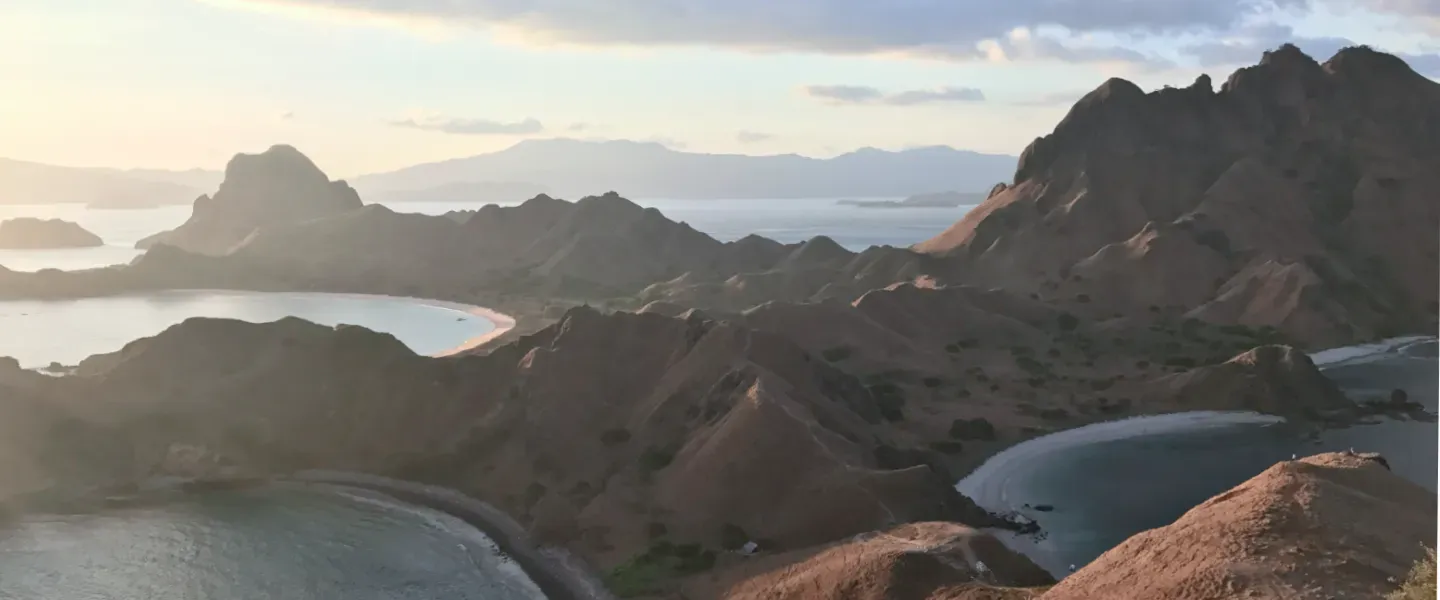
Komodo Right Now
Air quality is at a poor level, which is unhealthy for sensitive groups. PM2.5 concentration is 2.4 times the WHO annual guideline value.
Komodo Music Festival · West Manggarai Regency, East Nusa Tenggara
Interest in travel to Komodo fell 12% from a year ago, suggesting demand is cooling off.
Best time to visit Komodo
Great time to visit
As dry as August with slightly fewer people. Water temperatures drop a little, which is when plenty of divers prefer to come. Still busy.
SCORE BY MONTH
Come between May and October, when the sea is calm and the boats run every day. July and August are the peak, so book early or take the weeks either side for the same weather with more room. January to March is the wet stretch: rough water, cancelled departures, and a slippery climb up Padar.
Day-to-day in Komodo
Walkability
28/100
Komodo is not a walking destination. Labuan Bajo has short useful stretches near the harbor, but broken sidewalks, hill roads, scooters, and boat-day logistics push most movement into cars or scooters.
Labuan Bajo sidewalks break fast beyond the harbor, pushing walkers onto narrow road edges.
Harbor hotels, dive shops, and warungs cluster tightly, but beaches and viewpoints need transport.
Scooters, trucks, and blind bends make Labuan Bajo street crossings tense after dark.
Climate works against walking for much of the year. Plan around weather windows.
Need to Know
- Population
- 282,940 BPS · 2024
- Currency
- Indonesian rupiah (IDR)
- Language
- Indonesian; English common in Labuan Bajo tourism businesses
- Tap water
- Not safe
- Time zone
- WITA (UTC+8)
- Power plug
- Type C / F, 230V
- Dialing code
- +62
- Driving side
- Left
- Tipping
- Not expected; round up or leave extra for guides, drivers, and good service.
- Internet
- Usable 4G in Labuan Bajo, patchy in the park; some liveaboards use satellite internet.
- Emergency
- 112 all emergencies; 110 police, 118 or 119 ambulance.
When not to go
-
Avoid rough wet-season boats
Jan – Mar · peaks JanThis is the wrong window if your trip depends on smooth boat days, clear viewpoints, and easy snorkeling. Heavy rain and high waves disrupt Labuan Bajo departures, turn Padar into a wet stair climb, and push operators to cut or reshuffle park stops. Go somewhere built for this season instead, or add buffer nights if Komodo is non-negotiable.
Go here instead:
- Raja Ampat Better season for island-hopping and reef-focused trips.
- Koh Samui More resort comfort when boats are not the main event.
- Phuket Drier beach weather with easier backup plans.
Upcoming Events & Holidays in Komodo
Upcoming events, next 30 days
Public holidays & observances, next 12 months
Dates are researched and checked, but events move. Always confirm with the official source before you book anything around them.
Getting To Komodo
-
From Komodo Airport (LBJ)
10 min drive to Labuan Bajo harbor
Komodo Airport is the fly-in gateway for the park, but it sits in Labuan Bajo on Flores, not on Komodo Island. Use a hotel pickup or fixed-price taxi if you arrive with bags, because app availability is thinner than Bali and local taxis still dominate the curb.
Direct flights to Komodo
Serves 10 direct destinations, 2 international and 8 domestic, about 19 flights a day.
International 2- Singapore SIN Singapore
 Scoot 4/week
 - Kuala Lumpur KUL Malaysia
 AirAsia 3/week
Within Indonesia 8
- Bali DPS
 Batik Air Indonesia AirAsia 7/day
 - Jakarta CGK Batik Air
 Citilink
  Garuda Indonesia Indonesia AirAsia
  Super Air Jet 4/day
 - Lombok LOP
 Wings Air 3/day
 - Ende ENE Wings Air 1-2/day
- Surabaya SUB Super Air Jet ~1/day
- Bajawa BJW Wings Air 5/week
- Kupang KOE Wings Air 3/week
- Maumere MOF Wings Air 2/week
Nonstop routes only. Flights per day are an average, each way. Data: AeroDataBox, updated July 2026.
Visa rules apply at the country level. See the full Indonesia visa guide, with every visa and its official do-it-yourself cost. -
-
Boats from Labuan Bajo harbor
1.5 to 4 hr to main park stops
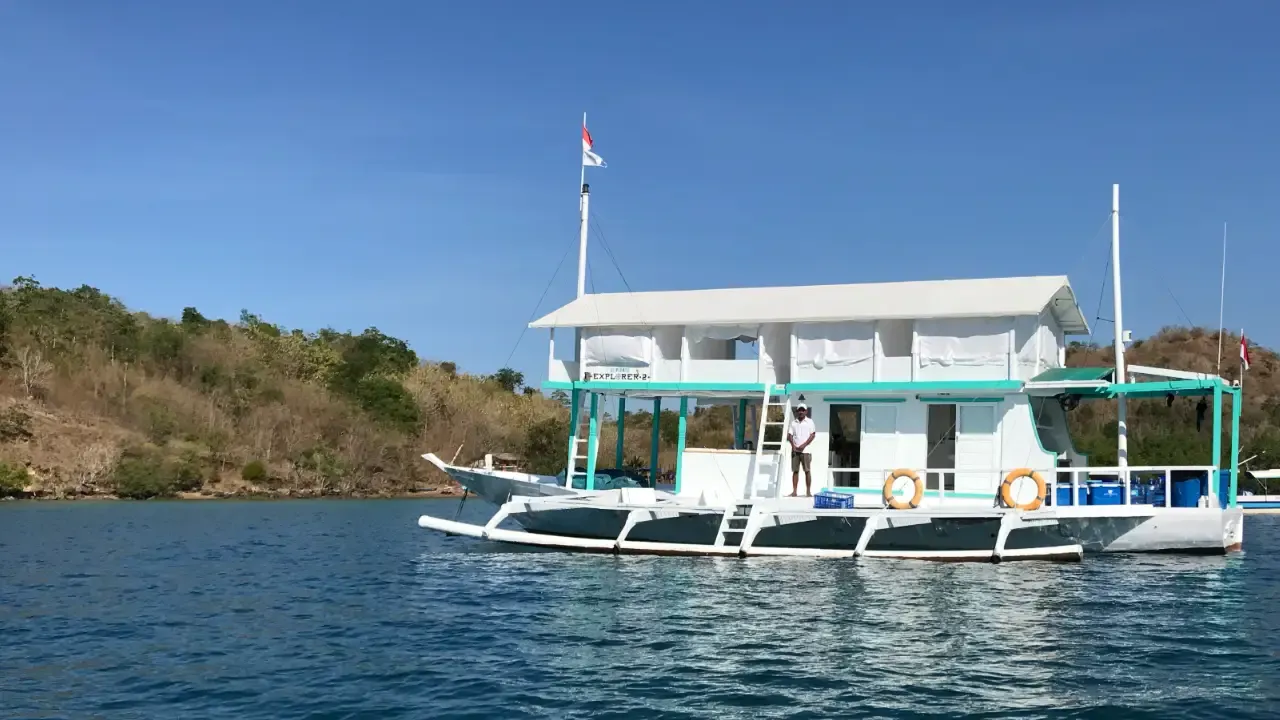
Komodo Island, Padar, Rinca, Pink Beach, and manta sites are reached by boat from Labuan Bajo. Speedboats work for tight day trips, while liveaboards make more sense if you want sunrise stops and less backtracking. Check safety gear, route cuts, and weather policy before paying a deposit.
Safety Advice
The risks here are the sea and the wildlife, not crime. Stay with your ranger on Komodo and Rinca and keep well back from the dragons, which are fast and have killed people. In the water, the currents around the dive sites are strong enough to push a weak swimmer away from the boat, so listen to the briefing and skip a site when the crew says the current is wrong.
Seismically active region
Earthquakes
Komodo sits in a seismically active region. Most days you'll never notice it, but strong earthquakes do occur from time to time. It's worth knowing your accommodation's emergency exits and following local instructions if an earthquake occurs.
See the 5 strongest nearby earthquakes
- M6.62009 · 101 km · Bima
- M6.52007 · 125 km · Dompu
- M6.52018 · 140 km · Labuan Bajo
- M6.32006 · 86 km · Bima
- M6.32016 · 100 km · Dompu
Source: U.S. Geological Survey · Updated August 2026
Common Scams in Komodo
-
Unlicensed tour operators
HIGH RISKTrigger:A street agent offers a cheap Komodo package
The boat is overcrowded, safety gear is thin, guides are weak, or the route gets cut after departure. In the worst cases, the operator lacks proper park access and the group loses the day.
How to avoid: Book through a registered agency with a real office, company bank account, and recent boat reviews. Ask for the vessel name, safety gear, and park fee handling before paying.
-
Inflated park fees
MEDIUM RISKTrigger:Someone adds a mandatory fee after you board
Extra charges appear for ranger access, conservation tickets, island stops, or camera use after the base tour price was already agreed. It clusters around cheap boat deals and unclear package quotes in Labuan Bajo.
How to avoid: Ask for a written fee breakdown before paying the deposit. Pay official park charges through the operator's documented process or at designated counters, not to a random cash collector.
Mistakes to Avoid
-
Approaching Komodo dragons
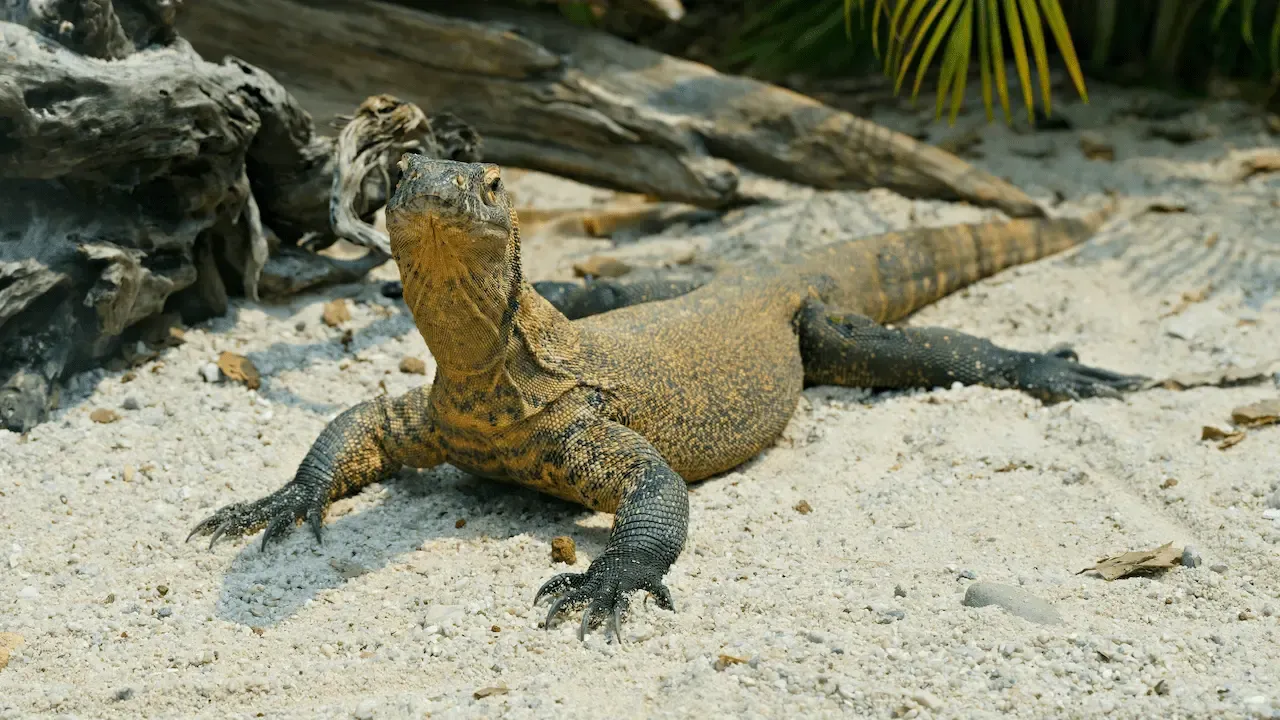
SERIOUS CONSEQUENCEKomodo dragons are wild predators, not slow props for close photos. Getting too close, feeding them, or leaving the ranger path can end in a serious bite or death.
Fix: Stay with the ranger, keep several meters back, and follow the ranger's position instructions. Do not step away for a cleaner photo angle.
-
Ignoring sea conditions
SERIOUS CONSEQUENCEKomodo boat days depend on wind, swell, currents, and the captain's judgment. Forcing a trip in rough water can mean capsizing, injury, cancelled stops, or a night stuck off schedule.
Fix: Choose an accredited operator, listen to safety briefings, and accept route changes when weather turns. Add a buffer night if your flight connection matters.
-
Touching coral or marine life
SERIOUS CONSEQUENCEStanding on coral, chasing turtles, or grabbing marine life damages a protected national park and can trigger fines. It also marks you as the person everyone on the boat hates.
Fix: Keep fins off coral, stay horizontal in the water, and follow the guide's current line. Use reef-safe sunscreen and do not touch anything underwater.
-
Littering or taking nature
SERIOUS CONSEQUENCEKomodo National Park is a protected area, and removing shells, coral, plants, rocks, or wildlife parts is illegal. Littering also gives rangers a clear reason to fine or remove you.
Fix: Carry all trash back to Labuan Bajo and leave shells, coral, plants, and rocks where they are. Treat beaches and viewpoints like controlled park zones, not picnic areas.
-
Flying drones without permits
SERIOUS CONSEQUENCEDrone use inside Komodo National Park requires official permission, and the fee is not small. Flying without approval risks confiscation, fines, and a fast end to the shoot.
Fix: Apply through the park's official drone permit process before arrival. If you do not have written permission, leave the drone packed.
-
Using your left hand
In local Indonesian etiquette, the left hand is considered unclean for eating, greeting, and passing money. It will not ruin your trip, but it reads badly in small warungs and village stops.
Fix: Use your right hand for greetings, food, cash, and shared items. If you slip, correct it without making a scene.
Money & Payments
Carry cash for boats and warungs, use cards at hotels, and always pay in rupiah.
-
Cash still matters
Labuan Bajo hotels, dive shops, and larger tour offices take cards, but small warungs, drivers, port snacks, tips, and island stops still run on cash. Carry Indonesian rupiah before boarding any park boat.
-
Use Labuan Bajo ATMs
BNI, BRI, BCA, and Mandiri ATMs are clustered in Labuan Bajo, not out in the park. Withdraw before boat days, because machines can run dry on weekends and small notes are useful for drivers and warungs.
-
Cards stop at boats
Visa and Mastercard work at better hotels, some restaurants, minimarkets, and established tour offices in Labuan Bajo. Smaller day boats, local eateries, scooter rentals, and cash collectors still expect rupiah, and some places add a surcharge for paying by card.
-
Decline home currency
At ATMs and card terminals, choose Indonesian rupiah, not your home currency. Dynamic Currency Conversion, where the machine offers to charge you in your own money, always gives you a worse rate.
-
Park fees vary
Komodo National Park charges a bundled fee per route rather than one flat entry ticket, so what you pay depends on which islands you land on, whether you dive or snorkel, and how much your operator has already included. Get the breakdown in writing before you pay a deposit.
-
Book park permits ahead
Park entry is capped and reserved in advance through SIORA, the park's official booking system, and walk-up permits are not issued at the ranger stations. Most operators do this for you. Ask which fees they have already reserved and paid, and which ones you settle separately.
-
ATM limits are low
Indonesian ATMs often cap withdrawals around IDR 1,250,000 to 3,000,000 (USD 77 to 184) per transaction, depending on the machine and its note stock. BCA, BNI, and Mandiri are the better first tries. Reject the currency conversion if the screen offers it.
-
International Transfers
To send money to a bank account in Indonesia, for things like rent or day-to-day expenses, services like Wise or Remitly usually offer better rates than traditional banks and faster delivery.
You'll typically need the recipient's full name, account number, and SWIFT/BIC code. Some banks may also require a local address.
Costs in Komodo
Komodo is not where you save money in Indonesia. Boats and park permits are the real cost, and a single day on the water runs to more than several days of food and a room in town. Share a boat instead of chartering one, and eat at the Kampung Ujung stalls rather than the restaurants uphill.
Save money?
Sign up for our guide on how to save money on your next trip.
SIM Cards & Data
Best option for most travelers: an eSIM you set up before you arrive. You'll be online the moment you land, with no airport line and no tourist pricing.
Travel eSIMs Connect the second you land. Zero hassle. Skip the airport line and paperwork. Activate before you fly and land connected. Find the best eSIM →Prefer a local SIM?
Local SIMs work best in Labuan Bajo, around the harbor, and on parts of the Flores coast. Once boats push into Komodo National Park, expect patchy 4G, dead zones between islands, and no reliable signal in coves or behind hills. Buy and activate in Labuan Bajo or before flying in, and bring your passport because Indonesian tourist SIM registration is handled through operator shops.
What Komodo is Like
Labuan Bajo no longer feels like the sleepy fishing village people still describe when they are trying to sound like they got there first. Step out of the airport and the place is all dust, scaffolding, hotel shells, and drivers waiting under the heat with laminated signs. The harbor town has been built out fast for visitors who have not all arrived yet, and you feel that in the traffic and the half-finished concrete.
The daily rhythm belongs to the boats. Before breakfast, Jalan Soekarno Hatta starts coughing up dive bags, sleepy couples, and guides trying to keep groups from drifting toward the wrong pier. Padar, Rinca, Komodo Island, Pink Beach and the manta sites all sit inside a park that now caps daily entry at 1,000 visitors across timed sessions, with permits reserved in advance through the park's SIORA system. Turning up at the dock and figuring it out on the morning does not work anymore.
Kampung Ujung is where Labuan Bajo feels least like a waiting room. At night the waterfront fills with smoke from grilled fish, plastic stools and families eating beside tour groups still wearing salt in their hair. You pick seafood from ice, negotiate less than you think, and eat snapper, squid or prawns for a fraction of what the international menus uphill charge. Roti kompiang, the dense little Manggarai bread sold around town, is the other thing to try.
Town life is practical rather than romantic. Stay close to the harbor if you want to walk to dive shops, tour offices, laundry and a warung (a small family-run eatery), because the useful part of Labuan Bajo is compact but the roads climb fast and sidewalks disappear without warning. The nightlife is thin: a handful of bars near the water, most of them quiet by the time the early-boat crowd has gone to bed.
The gap between the photos and the ground is the hard part. The islands can look unreal from the water, then a plastic bottle bumps against the hull, or you land on a beach and see what the waste system has not kept up with. Komodo is still worth the effort for the dragons, the reefs and the dry hills, and for the feeling of moving through a place older and harsher than the infrastructure serving it.
Pink Beach Reality
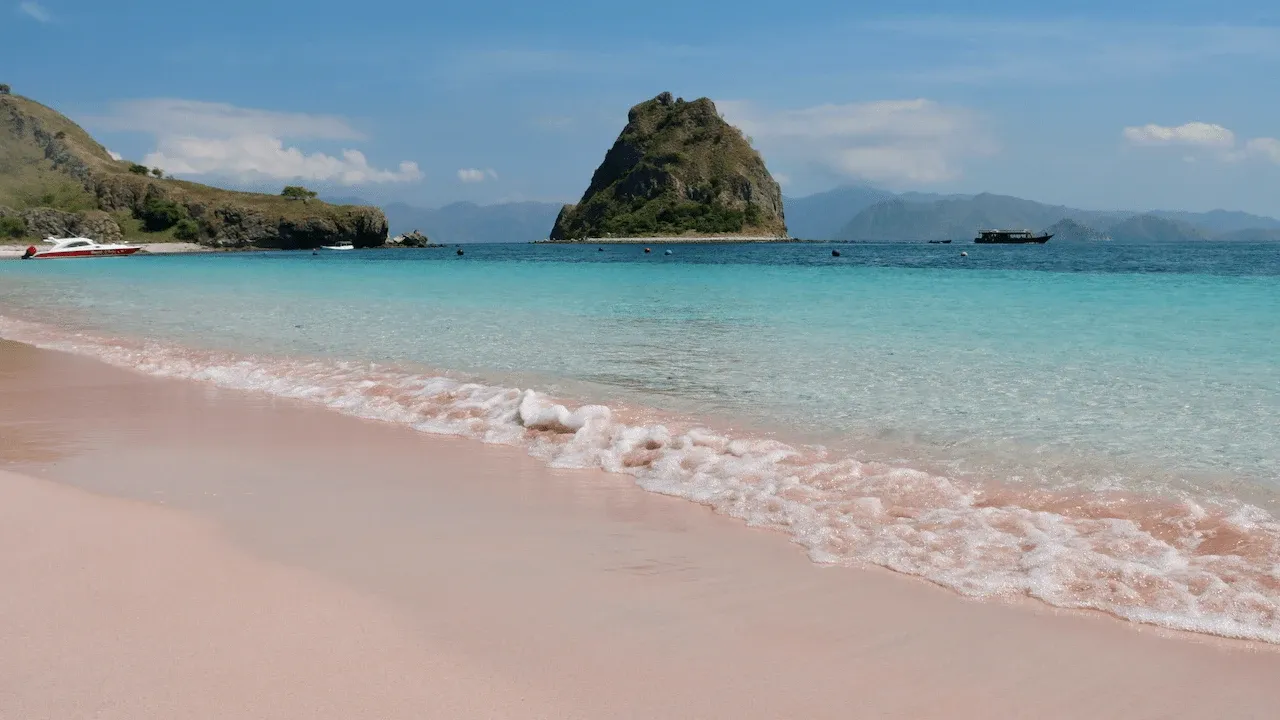
Pink Beach is not fake, but it is rarely the candy-colored strip people think they are booking. The pink comes from tiny red coral fragments mixing with pale sand, so the color changes with sun, tide, wetness and how churned up the shore is after boats arrive. On a bright dry morning it can glow softly at the waterline. Under flat cloud, or after a busy landing, it looks closer to beige. Both are normal.
The worst way to see it is as a box to tick between Padar and a dragon walk. Fast boats often land at similar times, guides start waving people back before their hair is dry, and everyone tries to photograph the same curve of sand without strangers in the frame. Treat it as a swim and snorkel stop instead. The coral fragments are easiest to see in the shallows near your feet, and if the water is calm it is worth swimming out.
Ask your operator which Pink Beach they are using, how long you actually get there, and what gets cut if the sea turns. There is more than one on the route, and the stop is often shorter than the itinerary suggests. Lower the expectations about the color and what is left is a good beach: coral sand that crunches underfoot, dry brown hills behind the shore, and hard blue water.
Where to Stay in Komodo
- Resorts, beach access, quiet
Waecicu Beach
Waecicu Beach is the quieter, more expensive side of Labuan Bajo, with resort compounds set away from the harbor traffic. You get water access from the property and nights without scooter noise. The cost is that meals, tour offices and shops are all back in town, so every small errand becomes a ride.
Good for: Resort stays, beach access, quiet nights, couples.
Skip if: You want cheap rooms or easy walks to local food.
- Harbor access, tours, food
Labuan Bajo Town Center
Labuan Bajo Town Center is the practical base for Komodo, with tour offices, dive shops, laundry, ATMs and seafood dinners clustered around Jalan Soekarno Hatta and the waterfront. The reason to stay here is that boat pickups are short and early, and everything you need to arrange is a few minutes' walk away. Expect scooter noise, patchy sidewalks and taxi haggling around the harbor.
Good for: Boat departures, dive trips, easy meals, short stays.
Skip if: You want a quiet beach stay or resort-style distance from town.
Frequently Asked Questions
Planning & moving around
-
How many days do I need in Komodo?
Three full days is the minimum that feels like a trip rather than a transfer. Use one day for the classic park boat route, one for diving or snorkeling, and one as weather or recovery space. Two days works only if you accept rushed boats, early starts, and no margin when the sea turns.
-
What are the best day trips from Komodo?
The day trips here are all boat trips into the national park, because there is little worth doing on land from Labuan Bajo. A classic route links Padar, Komodo or Rinca, Pink Beach, and a snorkel stop, with Manta Point added only when conditions work. Treat the route as weather-led, not a fixed checklist.
-
Can I store luggage in Komodo before a flight?
Use your hotel or guesthouse in Labuan Bajo. Dedicated luggage lockers are not the normal setup at the airport or harbor, and dragging bags around town is miserable on broken sidewalks. Confirm storage the night before checkout if you have a late flight.
-
Which ride-hailing apps work in Komodo?
Grab and Gojek both work in Labuan Bajo, but what turns up is usually a motorbike rather than a car, and the driver pool is thin compared with Bali. The airport is the weak spot: arrange a car through your hotel or agree a fixed taxi fare before your bags go in. Keep a local number as backup.
-
What mistake do first-timers make in Komodo?
The classic mistake is treating Komodo like a flexible beach trip. The good boats, park stops, weather windows, and early starts all need more planning than the map suggests. Book the boat first, then build the rest of the trip around it.
-
What do tourists get wrong about Komodo?
They think Komodo means staying on Komodo Island. Most travelers sleep in Labuan Bajo on Flores, then reach the park by boat. That means a bed in town, a boat every morning, and up to four hours at sea before you reach the famous stops.
-
Is Komodo worth visiting if I do not dive?
Yes, but choose the trip carefully. Non-divers can still see Padar, dragons, Pink Beach, reef shallows, and manta stops when conditions work. If you hate boats or only want easy beaches, choose another island.
-
Should I book a day boat or liveaboard in Komodo?
Book a day boat if you are short on time and want the headline stops from Labuan Bajo. Pick a liveaboard if you want sunrise landings, less backtracking, and more time around dive or snorkel sites. Ask what each quote includes before you compare two of them, because the cheap ones usually leave the park fees out.
Safety & medical
-
Do I need travel insurance for Komodo?
Yes, and it needs to cover boats, diving, snorkeling, and medical evacuation. Komodo's best parts sit away from proper hospitals, so a serious injury means getting back to Labuan Bajo first and possibly onward to Bali. Read the adventure-activity exclusions before buying.
-
What happens if I get sick in Komodo?
For anything serious, start with a proper clinic or hospital in Labuan Bajo, then expect evacuation to Bali if specialist care is needed. Pharmacies stock the basics: stomach medicine, fever tablets, sunburn cream, and dressings for minor cuts. On boat days, tell the crew early because distance is the problem.
-
Are there any areas in Komodo I should avoid?
There is no single no-go district in Labuan Bajo, but the port edge and darker side streets are not places to wander half-drunk with a phone out. The bigger safety line is inside the park: do not drift from rangers, swim against guide instructions, or treat boat decks like beach clubs. Trouble here usually starts with bad judgment, not a bad neighborhood.
-
How LGBTQ+ friendly is Komodo?
Komodo is not an openly queer destination, and Labuan Bajo is socially conservative compared with Bali's more used-to-tourists pockets. Same-sex couples are unlikely to face trouble for simply booking rooms or traveling together, but visible affection can draw attention. Keep public affection discreet and choose accommodation that feels professional rather than nosy.
-
Can you drink tap water in Komodo?
No. Drink bottled or properly filtered water in Labuan Bajo and on boats. Ice is usually fine in established hotels and restaurants, but skip it at informal stalls if the setup looks rough. Brushing your teeth with tap water is common, but use bottled water if your stomach reacts easily.
-
Are mosquitoes a problem in Komodo?
Mosquitoes are more noticeable around Labuan Bajo, damp corners, and after rain than on exposed dry ridges. Dengue is present in Indonesia, so pack repellent and use it before sunset, especially if you are eating outside in town.
Laws & local norms
-
What are the drug laws in Komodo?
Indonesia's drug laws are severe, and Komodo is not an exception because it feels like a holiday island. Cannabis, many CBD products, and illegal drugs can mean prison, heavy legal trouble, or worse penalties for trafficking. Do not carry anything you would not want found at an airport or police stop.
-
Can I vape in Komodo?
Vaping is legal in Indonesia and e-cigarettes are sold in tourist towns, including Labuan Bajo. Treat it like tobacco: not in enclosed spaces, not on boats, not in restaurants, and not around staff who look uncomfortable. Carrying one is not a legal problem here, but discretion still helps.
-
Do you need a license to rent a scooter in Komodo?
Yes, you need a valid motorcycle license and an international driving permit that covers motorbikes. Rental shops may hand over a scooter without checking, but that does not make you legal or insured. Labuan Bajo's hills, trucks, blind bends, and loose road edges make casual riding a bad place to test your confidence.
Money & costs
-
Should I bring cash to Komodo?
Yes. Cards work at better hotels and established tour offices, but boats, warungs, small drivers, tips, and island extras still rely on rupiah. Withdraw in Labuan Bajo before boat days because there are no useful ATMs inside the park.
Culture & etiquette
-
How much English is spoken in Komodo?
English is common in Labuan Bajo's tour offices, dive shops, better hotels, and boats serving foreign travelers. It drops off fast in local markets, warungs, and transport conversations outside the tourist strip. Learn basic Indonesian greetings and numbers, and keep addresses saved on your phone.
Food & drink
-
Where do locals actually eat in Komodo?
Kampung Ujung is the main evening food move, with grilled fish, sambal, plastic stools, and enough smoke to make your clothes remember dinner. Warungs around the town center handle simpler rice, noodles, and soups. For a local snack, look for roti kompiang, the dense Manggarai bread sold around town.
-
Which markets in Komodo are worth visiting?
Kampung Ujung is the easiest market-style stop for travelers because it turns into an evening seafood zone by the waterfront. Pasar Labuan Bajo is better in the morning if you want produce, household goods, and a less polished look at town life. Go for the food, not for souvenirs.
-
Where can I eat late at night in Komodo?
Late eating means Labuan Bajo, not the islands. Kampung Ujung and some warungs around Jalan Soekarno Hatta keep dinner going later than most hotel kitchens, but the town is not built for midnight grazing. Eat before the boat-day crowd disappears.
Families & kids
-
Is Komodo a good place to travel with kids?
Komodo works better with older kids who can handle boats, heat, early starts, and ranger instructions. Toddlers are harder, because the main activities involve long transfers, uneven trails, strong sun, and wildlife you cannot casually approach. Pick shorter boat days and accommodation with a pool if you are traveling as a family.
-
Is Komodo manageable with a stroller or buggy?
A stroller is the wrong tool for most of the trip. Labuan Bajo has broken sidewalks, steep roads, and crowded market edges, while the islands mean dirt tracks, boat steps, and exposed paths. Use a baby carrier and keep plans shorter than you think.
-
What happens if a child gets sick in Komodo?
Go to a proper medical facility in Labuan Bajo for anything more than a minor fever, stomach upset, or scrape. Pharmacies stock basic children's medicines, but serious dehydration, injury, breathing problems, or infection can require evacuation to Bali. Family travel insurance needs medical evacuation cover, not just reimbursement for clinic visits.
-
What type of accommodation works best for families in Komodo?
Families do best with larger rooms, connecting rooms, villas, or resort-style stays where the pool and meals are easy. Central Labuan Bajo is more practical for boat pickups and food, but the streets are not forgiving with tired kids. Waecicu Beach works if you want quieter nights and fewer errands.
-
What works for a half-day with young kids in Komodo?
Do not force a half-day park sprint with small children. Use a hotel pool, a short beach visit near Labuan Bajo, or an early dinner at Kampung Ujung before the evening gets too crowded. Save Padar and long boat routes for kids who can handle heat, steps, and waiting.
Staying longer
-
Where should I stay in Komodo?
Stay in Labuan Bajo Town Center if you want the simplest first trip: harbor access, tour offices, ATMs, warungs, and short transfers before boat days. Waecicu Beach suits resort stays and quieter nights, but every errand pulls you back toward town. Hillside stays get you views and space, then cost you a ride every time you want dinner.
-
Is Komodo good for digital nomads?
Komodo is a weak base for settling in. Labuan Bajo can handle a few work days from hotels or cafes, but coworking is thin, rentals are limited, and island signal drops fast once you leave town. It is a place to dive and get on a boat, not a place to settle.
After dark
-
Is it safe to walk around Komodo at night?
Central Labuan Bajo is usually fine at night around Jalan Soekarno Hatta and Kampung Ujung, where people are still eating and moving around. The weak points are broken sidewalks, scooters, dark side lanes, and opportunistic theft when travelers leave bags or phones loose. Use a short ride back if your hotel sits uphill or away from the harbor strip.
-
What changes after dark in Komodo?
After dark, Labuan Bajo becomes a dinner town more than a party town. Kampung Ujung fills with seafood smoke, the harbor strip handles drinks, and most serious boat travelers disappear early. Nothing happens on the islands after dark.
-
Where do nights go wrong in Komodo?
Nights go wrong when travelers drink too much, walk uphill on dark roads, or accept vague rides from drivers quoting tourist prices. Petty theft and overcharging are more likely than serious violence, but a lost phone or bad scooter ride still ruins the trip. Stay central or arrange the ride back before you start drinking.
-
Where is the nightlife in Komodo?
Nightlife is mostly along Jalan Soekarno Hatta, the harbor-facing strip, and the Kampung Ujung area. Expect low-key bars, diver hangouts, seafood dinners, and sunset drinks rather than clubs. If nightlife is a priority, Komodo is the wrong island choice.