
Indonesia Right Now
Widespread haze and air pollution from ongoing peatland and forest fires across Sumatra and Kalimantan are causing hazardous air quality in many areas, including major cities.
Where to go in Indonesia
From Jakarta's dense urban sprawl to Raja Ampat's reef islands and Tana Toraja's misty highlands, Indonesia shifts fast between megacities, surf coasts, jungle interiors and remote marine regions. Different parts of the country sit in completely different weather patterns at the same time, so the cards below, sorted west to east, show live conditions for each destination including current weather, crowds and costs to help narrow down which region is actually in season right now.
-
 HIGH · 32°C TIMING · Best1
Jakarta
The traffic around Bundaran HI never stops, and the best sate ayam still comes from midnight roadside carts.
- WEATHER
- SAFETY
- CROWDS
-
 HIGH · 31°C TIMING · Best2
Yogyakarta
Ancient temples stand beyond rice fields, while alley walls carry Yogyakarta's sharper modern voice.
- WEATHER
- SAFETY
- CROWDS
-
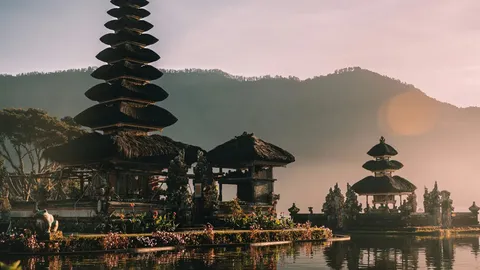 HIGH · 31°C TIMING · Best3
Bali
Canggu sells cold brew and sound baths, and the offerings still go out on the doorsteps every morning.
- WEATHER
- SAFETY
- CROWDS
-
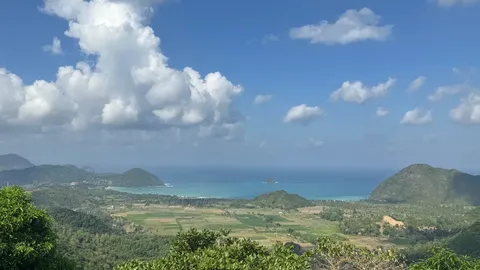 HIGH · 31°C TIMING · Best4
Lombok
Lombok offers quieter surf breaks than Bali, but expect fewer luxury resorts and more warungs for your nasi goreng.
- WEATHER
- SAFETY
- CROWDS
-
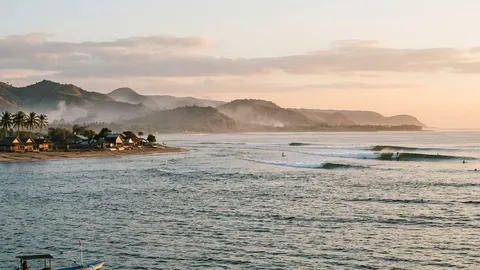 HIGH · 34°C TIMING · Best5
Sumbawa
Volcanic ridges watch over quiet fishing villages where water buffalo graze close to the tide.
- WEATHER
- SAFETY
-
 HIGH · 31°C TIMING · Best6
Komodo
Dry brown hills, early boats, and mantas in the channels between the islands.
- WEATHER
- SAFETY
- CROWDS
-
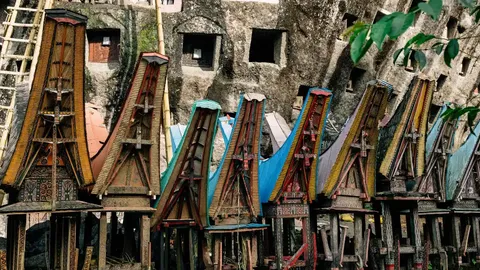 HIGH · 27°C TIMING · Best7
Tana Toraja
Remote, slow, and emotionally heavy, with mountain roads leading to some of Sulawesi's most distinctive culture.
- WEATHER
- SAFETY
-
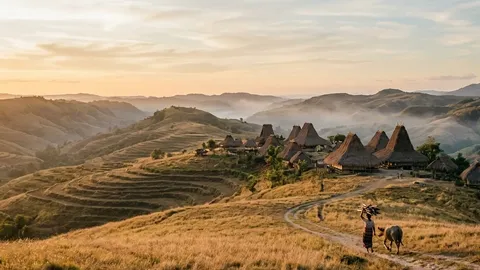 HIGH · 30°C TIMING · Best8
Sumba
Dry hills, sandalwood smoke, and ikat cloth give the island a texture Bali never had.
- WEATHER
- SAFETY
-
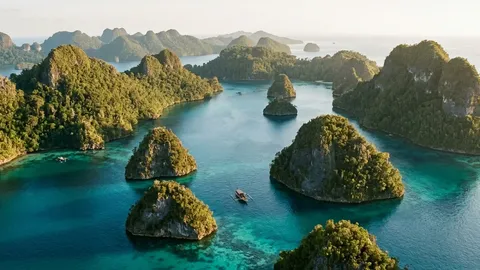 HIGH · 30°C TIMING · Good9
Raja Ampat
Jungle drops into blue shallows, with reef sharks and manta rays moving over coral shelves.
- WEATHER
- SAFETY
- CROWDS
When to go to Indonesia
Need to Know
- Population
- 284,670,000 BPS · SUPAS mid-2025
- International visitors
- 15,386,646 (2025) +10.7% YoY BPS · Last updated: May 2026
- Annual visitors per resident
- 0.05× Annual international visitors divided by the population
Top visitor markets
- Malaysia 16.4%
- Australia 12.0%
- Singapore 10.1%
- China 8.6%
- Timor-Leste 5.6%





Source: BPS · 2024
Annual visitor arrivals
- 2025 15,386,646 +10.7%
- 2024 13,902,420 +19.0%
- 2023 11,677,825 +98.3%
- 2022 5,889,031
- 2021 1,557,530 COVID
Show fewer Show 2 more
- 2020 4,052,923 COVID
- 2019 16,106,954
International visitor arrivals. COVID years (2020-2021) are included for completeness. Source: BPS · Last updated: May 2026
- Currency
- Indonesian Rupiah (IDR)
- Language
- Indonesian (Bahasa Indonesia), English common in tourist hubs and major cities
- Tap water
- Not safe to drink
- Time zone
- GMT+7 to GMT+9 (multiple zones)
- Power plug
- Type C / F, 230V
- Dialing code
- +62
- Driving side
- left
- Tipping
- Tipping is not mandatory but appreciated for good service, especially in tourist areas. Many restaurants and hotels include a 10% service charge. If not included, 5-10% is a good guideline.
- Internet
- 4G LTE is widely available in cities and tourist destinations, with 5G coverage limited to central areas of large cities. Speeds are generally sufficient for most needs, though coverage can vary in remote areas.
- Emergency
- 112 (all services), 110 (police), 113 (fire), 118 or 119 (ambulance)
When not to go
-
Avoid Indonesia during Lebaran travel
Late Mar – mid-Apr · lunar calendarLebaran travel week breaks transport across huge parts of Indonesia, especially Java, Bali, and major ferry routes. Domestic flights sell out, toll roads clog for hours, trains disappear weeks ahead, and ports like Gilimanuk turn into all-day lines. Some tourist areas empty out in a good way, but getting between places becomes exhausting fast. If you want a smoother trip, go before the holiday rush or stay put in one region instead of island-hopping.
Go here instead:
- Thailand More predictable domestic transport during the same period.
Upcoming Holidays
Public holidays & observances, next 12 months
Indonesia Visa & Entry
Getting To Indonesia
-
Jakarta Soekarno-Hatta International Airport (CGK)
29 km northwest of city center
Traffic in Jakarta is notoriously bad, so the airport train is often the most reliable option for getting into the city quickly. Ride-hailing apps like Grab and Gojek are widely available and generally cheaper than official taxis, but surge pricing can occur during peak hours or bad weather.
-
Denpasar Ngurah Rai International Airport (DPS)
13 km south of Denpasar
This is Bali's main airport, and transfers to popular areas like Kuta, Seminyak, or Canggu are quick. Official airport taxis have fixed rates, but ride-hailing apps like Grab and Gojek are also readily available and often offer slightly better prices.
-
Surabaya Juanda International Airport (SUB)
20 km south of city center
The airport train is by far the cheapest option, though you'll need a short onward taxi or ride-hail from Gubeng station. Grab and Gojek are widely used and generally more affordable than official airport taxis, which operate on a fixed-rate zone system.
-
Medan Kualanamu International Airport (KNO)
28 km east of Medan city center
The Airport Railink Service is the fastest and most reliable way to reach Medan city, avoiding road traffic. Taxis and ride-hailing services are also efficient, with Grab and Gojek often being slightly cheaper than official taxis.
-
Overland from Malaysia (Borneo)
Two main crossings between Sarawak (Malaysia) and West Kalimantan (Indonesia)
The Aruk border crossing is the easiest and most recommended for international travelers between Malaysian Sarawak and Indonesian West Kalimantan. While other informal crossings exist, stick to the official ones for a smoother process.
-
Ferry from Singapore to Batam
Frequent services from HarbourFront and Tanah Merah terminals
Batam is a popular short hop from Singapore, with multiple ferry operators offering frequent daily services. Foot passengers are the norm, and tickets are easily booked online or at the terminal.
-
Ferry from Malaysia to Sumatra
Services from Melaka and Port Dickson to Dumai or Tanjung Balai
While flights are generally faster and often cheaper, ferries offer a more adventurous route to Sumatra. Indomal Fast Ferry is the primary operator, but services can be less frequent than flights.
Safety Advice
Indonesia is generally safe for tourists, but it's a huge country and the risks vary widely by region. Scooter and ferry accidents, natural disasters, petty theft and scams cause far more problems than violent crime. While most tourist destinations are considered safe, a few regions, including parts of the Papua highlands, have active travel warnings.
Travel Advisories
Natural disasters
- Indonesia experiences frequent earthquakes, tsunamis, and volcanic eruptions that can disrupt services.
- Wildfires, especially on Sumatra and Borneo from April to September, create haze affecting air quality.
- Flooding and landslides are common during the rainy season, typically October to March.
Health & vaccinations
Be aware that some alcoholic drinks may contain methanol, which can be fatal.
Unrest & security
- Avoid demonstrations and crowds as they can turn violent.
- Do not travel to Central Papua and Highland Papua due to ongoing civil unrest and conflict.
- Terrorists may attack places frequented by foreigners with little warning.
Transport & infrastructure
- Boat and ferry travel can be dangerous due to variable safety standards and crowded conditions.
- Traffic discipline is poor; wear a helmet if riding a motorbike or moped.
- Be aware of scams involving credit cards and unlicensed money changers.
Other notes
- Do not get involved with illegal drugs; penalties include long prison sentences or the death penalty.
- You must carry your passport or stay permit at all times.
- Respect local customs during Ramadan and Balinese New Year.
Always check your own government's official travel advice before traveling.
Money & Payments
Cards work across Indonesia's cities and tourist areas, but payment habits change a lot from Jakarta to the outer islands. Paying in rupiah and using the right ATM can save you far more than most travelers expect.
-
Cards, cash and QRIS
Visa and Mastercard are widely accepted in hotels, malls, chain stores and larger restaurants. Cash is still essential in many places, especially outside the main tourist areas, while QRIS has become the dominant payment method for locals.
-
Avoid expensive ATM and exchange fees
The biggest cost usually isn't the ATM fee. It's poor exchange rates and dynamic currency conversion. Using the right bank ATM and always paying in rupiah can save several percent over the course of a trip.
Sending money to Indonesia from abroad? These price one currency against a live rate:
Costs in Indonesia
Indonesia remains incredibly affordable, especially outside the major tourist hubs. You can still find a delicious street food meal for under $2, making it easy to stretch your travel budget.
Spend money in Indonesia


Free travel cards available
Send money to Indonesia
Compare Providers









Save money?
Sign up for our guide on how to save money on your next trip.
SIM Cards & Data
Best option for most travelers: an eSIM you set up before you arrive. You'll be online the moment you land, with no airport line and no tourist pricing.
Travel eSIMs Connect the second you land. Zero hassle. Skip the airport line and paperwork. Activate before you fly and land connected. Find the best eSIM →Prefer a local SIM?
Indonesia has widespread 4G coverage, ensuring reliable speeds for essential apps like maps, ride-hailing, and messaging across most populated areas. 5G is available in major cities like Jakarta and parts of Bali, though its reach is still expanding. Expect weaker or dead zones in very rural or mountainous regions, but overall connectivity is good for typical tourist needs.
-
Telkomsel
Telkomsel offers the most extensive and reliable 4G/5G coverage nationwide, making it the best choice for exploring beyond major cities. A 25GB tourist plan with 25 minutes of local and international calls costs around IDR 150,000 (about $9.63).
-
XL Axiata
XL Axiata provides strong 4G coverage and good speeds in tourist hotspots and urban areas, with competitive pricing. A 12GB plan for 30 days costs around IDR 100,000-130,000 (about $6.15-$7.99).
-
IM3 Indosat
IM3 Indosat, also known as Indosat Ooredoo Hutchison, is a budget-friendly option with good coverage in cities and tourist areas. A 30GB data plan for 30 days with 10 domestic and international call minutes starts around IDR 100,000 (about $6.40).
-
Smartfren
Smartfren offers affordable data plans, particularly suitable for travelers staying in well-known areas. An unlimited data plan for 14 days with a fair usage policy of 1.5GB per day costs around IDR 200,000 (about $12.60).
What Indonesia is Like
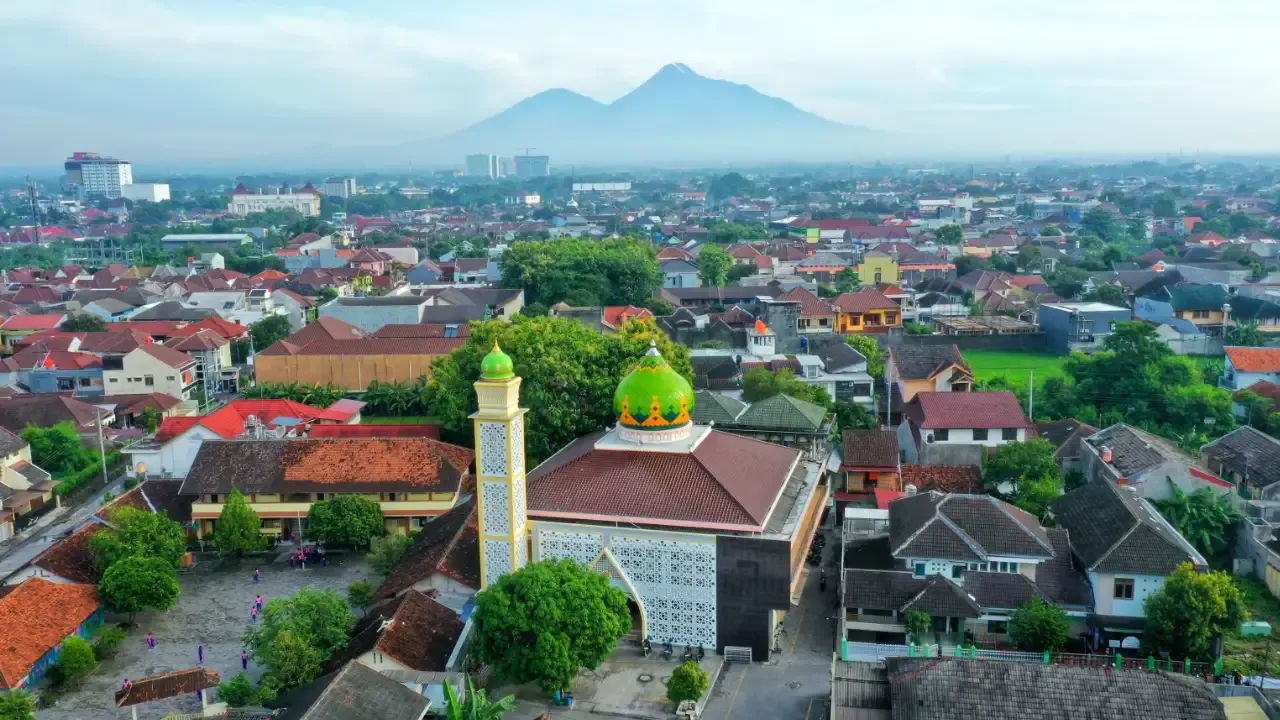
Indonesia is less a single destination and more a collection of wildly different worlds, stitched together by one national language and a shared politeness and faith that run through daily life. You'll notice the slower pace of everyday transactions, the small nod that stands in for a greeting, and the constant hum of scooters and roadside chatter. The scale of the country means that a single trip will barely scratch the surface, and trying to cover too much ground will leave you feeling less enlightened and more just plain tired. It's a place where patience is a virtue, especially when navigating its sometimes-strained infrastructure.
In Bali, the rules are tightening. The island charges a tourist levy of IDR 150,000 per person, including children, and for its first couple of years most visitors simply didn't pay it. Enforcement got stricter in 2026, and the airport now has counters where you settle up if you skipped the online payment. There's also a real crackdown on badly behaved tourists, with new guidance on how to dress at temples and tighter rules on scooter rentals.
Beyond Bali, the texture changes dramatically. Jakarta, the sprawling capital, is a concrete jungle choked by some of the worst traffic in the world; a few kilometers can crawl by in an hour at peak times. Getting around often involves navigating unofficial taxi touts at the airport who will try to overcharge you, or dealing with fake ride-share drivers. In contrast, places like Yogyakarta on Java offer a more traditional, artistic experience, centered around ancient temples like Borobudur and Prambanan, where you can easily spend a full day exploring the history and detailed carvings.
The country's environmental challenges are also increasingly visible. Deforestation, particularly in Kalimantan and Papua, has surged in the past year due to expanding plantations and mining, with over 430,000 hectares of forest cleared in 2025 alone. Jakarta is grappling with a severe trash crisis, with streets often garbage-choked and landfills at or beyond capacity. Meanwhile, popular natural attractions like Komodo National Park now have a daily visitor limit of 1,000 people, introduced in April 2026, to protect the fragile ecosystem from overcrowding. Booking well in advance is essential if you want to see the Komodo dragons.
Daily life across the archipelago is punctuated by the call to prayer in Muslim-majority regions and the temple ceremonies in Hindu Bali. Food is a constant, from the nasi goreng you'll find everywhere to regional specialties like gudeg in Yogyakarta. You'll find that haggling is expected in markets, though the "tourist price shuffle" is a real and annoying phenomenon, especially in more frequented areas, where vendors will shortchange you at money changers or inflate prices. Using official money changers with security guards, like BMC Money Changer in Bali, is a smart move.
Several Countries
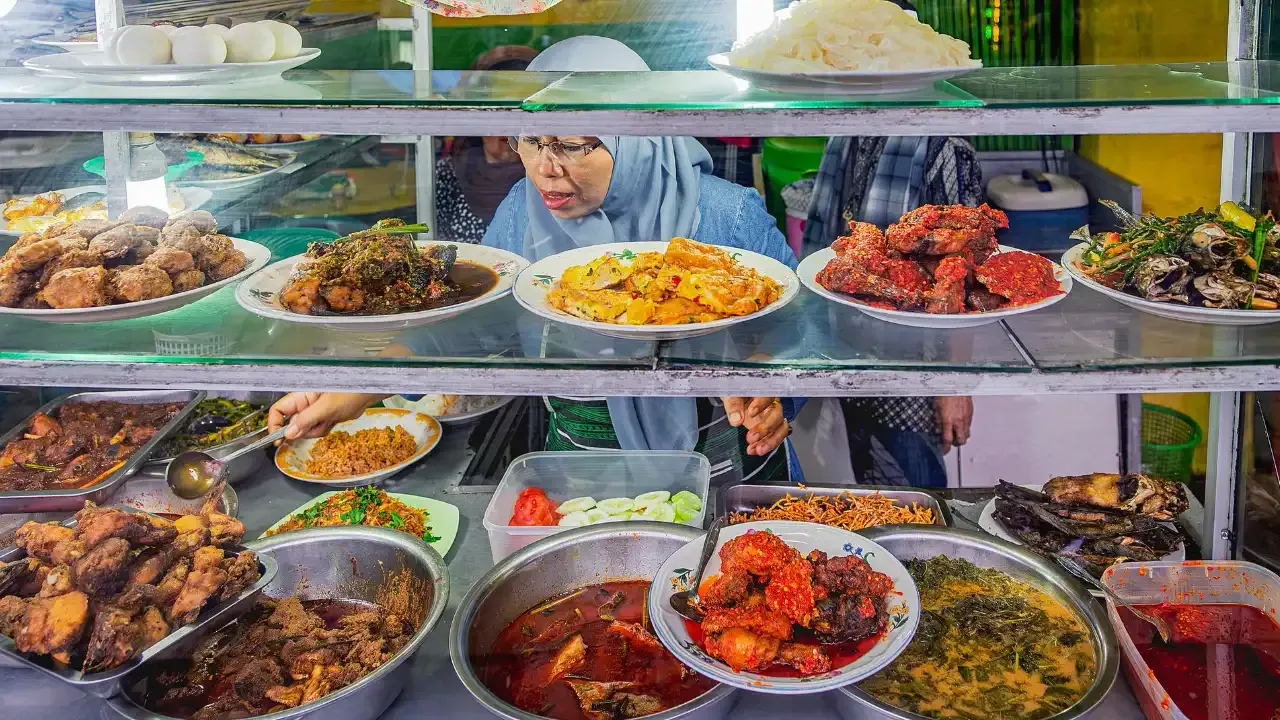
The biggest planning mistake people make is treating Indonesia like Thailand or Japan, where moving between regions feels like seeing different versions of the same country. Here, the changes are far sharper. Spend a week in Bali and you might leave thinking Indonesia is Hindu, vegetarian-friendly, packed with yoga studios and filled with temple offerings. Fly elsewhere and that picture can fall apart almost immediately.
The differences show up in small moments before they show up in guidebooks. In one place the soundtrack is roosters and church bells. In another it is the call to prayer rolling across town before sunrise. A restaurant menu that revolves around pork in the morning can become a menu where pork is almost impossible to find by evening if you have changed islands. Even the way people dress, greet strangers and spend their evenings shifts noticeably from region to region.
Food is often the clearest reminder that you have entered a different world. One question you'll hear across much of Indonesia is Sudah makan? Literally have you eaten yet? People are not usually checking whether you're hungry. It works almost like asking How are you?, reflecting how central food is to daily life and hospitality. Nasi goreng appears almost everywhere, but beyond that the country fragments into local loyalties, ingredients and flavors that can change dramatically from one island to the next.
This is why the best Indonesia trips are usually narrower than people expect. Trying to combine five islands into one itinerary often leaves you with airport memories and ferry schedules instead of any real understanding of the places you visited. Pick one region, slow down and accept that you are seeing only a slice of the country.
Liveability
Indonesia offers a low cost of living and a relaxed tropical lifestyle, making it popular with expats and digital nomads, particularly in Bali. However, infrastructure quality can vary significantly outside major cities, and while corruption is being addressed, it remains a concern.
Living in Indonesia
Sustainability
Indonesia is grappling with significant plastic pollution, particularly on its beaches, and widespread river contamination. Air quality in major cities like Jakarta is a serious concern, often ranking among the world's worst due to industrial and vehicle emissions.
Frequently Asked Questions
Planning & moving around
-
What is a good multi-city itinerary for a 10 to 14 day trip to Indonesia?
A classic first trip combines Java and Bali. Spend a few days around Yogyakarta for Borobudur, Prambanan and Javanese culture, then fly to Bali for beaches, food and day trips. If you have extra time, add Komodo for diving, wildlife and island scenery rather than trying to squeeze in too many islands.
-
How much does Indonesia change between regions?
More than many first-time visitors expect. Bali, Java, Sumatra, Sulawesi and the eastern islands differ in religion, food, architecture, social norms and tourism infrastructure. Treat Indonesia as a collection of distinct regions rather than a single travel experience.
-
How do you travel between cities in Indonesia?
Flights are the default for moving between islands because distances are huge. On Java, trains are often more comfortable and predictable than buses, especially between major cities. Ferries connect many islands but schedules can change and journeys are often slower than they look on a map.
-
How reliable are domestic flights in Indonesia, and which airline should I use?
Domestic aviation is extensive and usually works well, but delays are common enough that you should avoid tight same-day connections. Garuda Indonesia has the strongest reputation for reliability, while Citilink and Batik Air are widely used alternatives. Budget carriers can be considerably less predictable during bad weather or busy holiday periods.
-
What's the most common mistake first-time visitors make in Indonesia?
Trying to cover too many islands in one trip. Indonesia looks compact on a map, but flights, ferries and transfers take time. Most travelers have a better experience focusing on two or three regions rather than constantly moving.
-
Which Indonesian destinations are best for beginner surfers?
Bali is the easiest starting point thanks to sandy-bottom breaks, surf schools and reliable board rentals. Kuta, Canggu and parts of Lombok offer plenty of options for first-timers. Most other famous Indonesian surf regions are aimed at more experienced surfers.
-
Which Indonesian destinations are best for advanced surfers?
Sumbawa, Mentawai, Nias and parts of Bali are where experienced surfers usually head. Many breaks are reef-based, powerful and far less forgiving than beginner beaches. Conditions can be exceptional, but they are not places to learn.
Safety & medical
-
Do I need travel insurance for Indonesia?
Yes. Medical evacuation from remote islands can be extremely expensive, and scooter accidents are one of the most common causes of serious tourist claims. Read the policy carefully because many insurers will not cover motorcycle accidents if you lack the correct license or permit.
-
What natural hazards should I plan around in Indonesia?
Earthquakes, volcanic activity and seasonal flooding are the main risks. Most travelers are unaffected, but transport disruptions do happen, especially during heavy rains and around active volcanoes. Check local conditions if you are visiting remote islands or trekking near volcanic areas.
-
Are there any regions or areas of Indonesia I should avoid entirely?
Most tourist areas are straightforward to visit. Aceh follows local Sharia regulations and has stricter rules around alcohol, dress and public behavior than the rest of the country. Some remote areas of Papua occasionally experience security issues, but they are far from mainstream tourist routes.
-
What vaccinations do I need for Indonesia?
Most travelers should be up to date on routine vaccinations and consider Hepatitis A and Typhoid. Longer stays, rural travel or extensive outdoor activities may justify additional vaccines such as Rabies or Japanese Encephalitis. A travel clinic can advise based on your exact itinerary.
-
Can you drink the tap water in Indonesia?
No. Most locals and travelers rely on bottled, filtered or refilled drinking water. Ice in reputable restaurants is usually fine, and many travelers brush their teeth with tap water without issues, but drinking it directly is not recommended.
Laws & local norms
-
What are the drug laws in Indonesia?
Indonesia enforces some of the toughest drug laws in the region. Even small quantities can lead to long prison sentences, and trafficking offenses can carry life imprisonment or the death penalty. Do not assume substances that are tolerated elsewhere are acceptable here.
-
Can I vape in Indonesia?
Vaping is legal, and vape shops are common in many cities and tourist areas. Rules vary by location, and vaping is often prohibited in the same places where smoking is banned. Carry commercially packaged products and avoid assuming local enforcement will be consistent everywhere.
-
Is alcohol legal in Indonesia?
Yes, but availability varies sharply by region. Alcohol is easy to find in places such as Bali, Jakarta and major tourist centers, while Aceh prohibits it entirely. Imported alcohol is heavily taxed, so prices are often higher than visitors expect.
-
How LGBTQ+ friendly is Indonesia?
Acceptance varies widely. Tourist areas such as Bali tend to be more relaxed, but public attitudes across much of the country remain conservative. Same-sex couples rarely face issues when being discreet, though open displays of affection can attract unwanted attention.
-
Do I need an International Driving Permit for Indonesia?
Yes, if you plan to ride a scooter or motorcycle legally. The permit should match the type of vehicle you are using and be carried alongside your home license. Lack of proper documentation can lead to fines and may invalidate travel insurance.
-
What is the dress code for tourists in Indonesia?
Modest clothing is appreciated in most of the country, especially away from beaches and resorts. Temples and mosques often require covered shoulders and legs. What feels normal in a beach town may stand out in a rural village.
-
What local etiquette should tourists be aware of in Indonesia?
Politeness matters more than perfection. Using your right hand when giving or receiving items, dressing respectfully at religious sites and staying calm during disagreements will be noticed positively. Indonesians are usually forgiving of genuine mistakes.
Culture & etiquette
-
Is English widely spoken in Indonesia?
English is common in major tourist destinations but drops off quickly outside them. In smaller towns and less-visited islands, basic Indonesian is often more useful than English. Learning a handful of phrases goes a long way.
-
What does almost every tourist get wrong about Indonesia?
Many visitors assume Indonesia is basically Bali. In reality, Bali is only one small part of a huge country with very different cultures, religions and landscapes. Planning around that difference leads to a much richer trip.
Food & drink
-
What are the best local foods to try in Indonesia?
Start with nasi goreng, satay and rendang, then branch out into regional dishes. Yogyakarta is known for gudeg, while Bali has babi guling and ayam betutu. Busy local eateries are often a better guide than heavily marketed tourist restaurants.
-
Is Indonesia vegan-friendly?
It is easier than many visitors expect, especially in Bali and larger cities. Tempeh, tofu, vegetable curries and peanut-based dishes are common. Outside tourist areas, clarify ingredients carefully because fish sauce, shrimp paste and egg are frequently used.
-
Is Indonesia good for halal travel?
Yes. Halal food is widely available across most of the country, and many hotels provide prayer facilities or information about nearby mosques. Bali is a notable exception where non-halal food is common, though halal options are still easy to find.
Families & kids
-
Is Indonesia a good place to travel with kids?
Yes, provided you choose destinations carefully. Bali, Yogyakarta and parts of Lombok are easy with children, while remote islands can involve long transfers and limited medical facilities. Heat, traffic and uneven sidewalks are often bigger challenges than locals, who are usually very welcoming toward kids.