
Puerto Princesa Right Now
Air quality is very unhealthy due to transboundary haze from Indonesia.
PAAAF Palawan Festival · Puerto Princesa City, Palawan
Interest in travel to Puerto Princesa remained about the same as a year ago, suggesting demand is holding steady.
Best time to visit Puerto Princesa
Not the best time to visitSouthwest Monsoon
The quietest, wettest month; rough seas disrupt cave and island tours, and some operators scale back.
SCORE BY MONTH
December to May brings the driest, calmest conditions for Honda Bay and the boat ride to the Underground River. Rough seas from July to September occasionally close the Sabang crossing, so it is the riskiest time for the cave trip. Crowds and prices peak over the Christmas, New Year, and Holy Week holidays.
Day-to-day in Puerto Princesa
Walkability
44/100
Puerto Princesa is walkable in parts of the city center, but long distances, patchy sidewalks and busy roads make walking inconsistent.
Rizal Avenue has sidewalks in sections, but many streets remain narrow or obstructed.
Hotels, restaurants and services cluster centrally, though the city stretches beyond easy walking range.
Tricycles and motorbikes dominate busy roads, forcing pedestrians to stay alert.
Climate works against walking for much of the year. Plan around weather windows.
-
Monthly cost
$806 / month
AFFORDABLESolo mid-range stay including rent, daily eating out, groceries, and routine costs.
-
TROPICAL WATER SPORTS
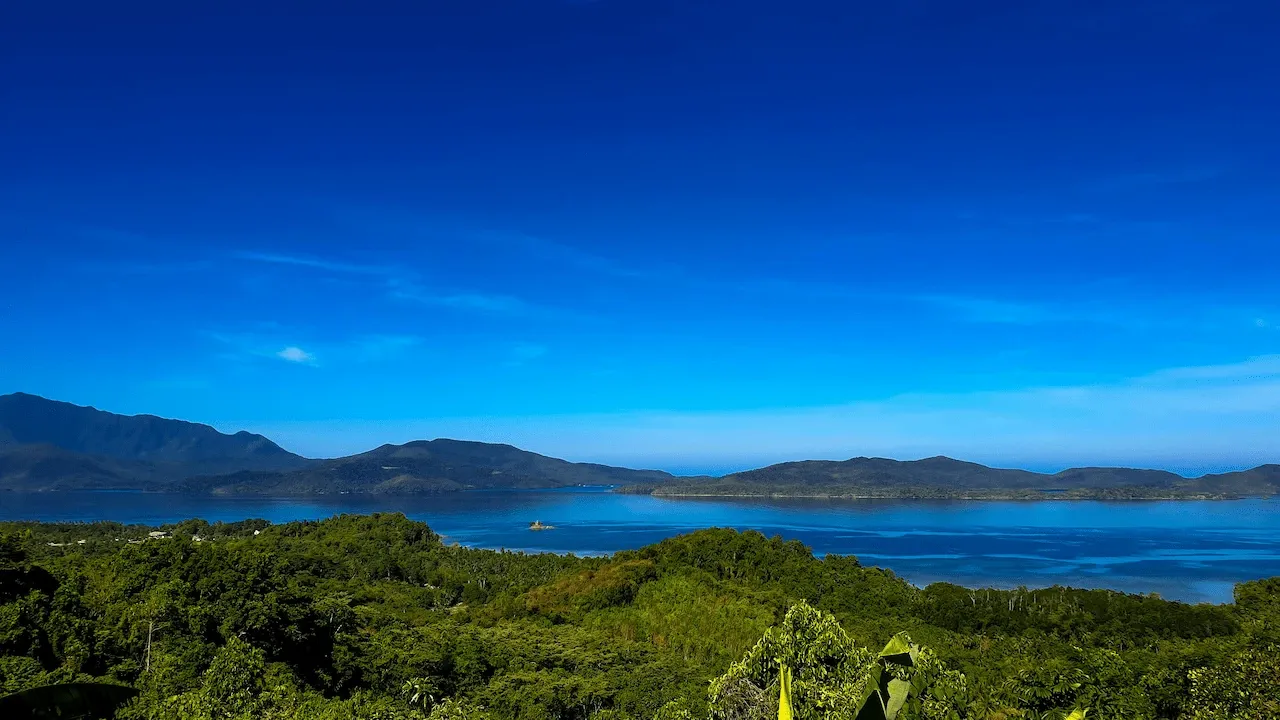
Island trips shape daily life here. Weekends and free days often revolve around Honda Bay, snorkeling, diving and boat excursions rather than activities inside the city itself.
-
Coworking
$106 / month
VERY AFFORDABLEDon't come to Puerto Princesa for a coworking scene. Most remote workers rely on hotel Wi-Fi, cafes and a handful of small shared workspaces, using the city as a practical base rather than a networking hub.
-
Gym
$24 / month
VERY AFFORDABLEPuerto Princesa has enough gyms to maintain a routine, with most concentrated around Rizal Avenue and the commercial districts. Expect a mix of local weight rooms and mid-sized fitness centers rather than destination gyms.
Need to Know
- Population
- 307,079 PSA · 2020 Census
- Currency
- Philippine Peso (PHP)
- Language
- Filipino and English; English widely spoken in tourism businesses
- Tap water
- Not safe
- Time zone
- GMT+8 (PHT)
- Power plug
- Type A / B / C, 220V
- Dialing code
- +63
- Driving side
- Right
- Tipping
- Not expected, but a small tip for good service is appreciated; service charges are often included.
- Internet
- Reliable 4G and fibre connections in central Puerto Princesa; coverage weakens on remote islands and rural roads.
- Emergency
- 911 (all services)
When not to go
-
Skip Puerto Princesa For Beaches
Don't come to Puerto Princesa expecting the classic Palawan beach-and-island experience outside your hotel door. Most visitors spend their time on organized day trips to the Underground River or Honda Bay, then return to a busy urban corridor of traffic, shops and tricycles. If your priority is waking up beside clear water and spending days around limestone islands rather than using a city as a base, choose a different part of Palawan instead.
Upcoming Events & Holidays in Puerto Princesa
Upcoming events, next 30 days
Public holidays & observances, next 12 months
Dates are researched and checked, but events move. Always confirm with the official source before you book anything around them.
Getting To Puerto Princesa
-
From Puerto Princesa International (PPS)
10-15 min to most central hotels
Puerto Princesa International Airport is the main gateway to central Palawan, handling frequent domestic flights from Manila, Cebu and other Philippine cities. The terminal is close to the city's hotel and restaurant districts, so transfers are usually short unless traffic builds along Rizal Avenue.
Direct flights to Puerto Princesa
Serves 5 direct destinations, all domestic, about 12 flights a day.
Within Philippines 5- Manila MNL
 Cebu Pacific Air
  Philippine Airlines
  Philippines AirAsia 8/day
 - Lapu CEB Cebu Pacific Air Philippine Airlines 1-2/day
- Iloilo City ILO Cebu Pacific Air 5/week
- Davao City DVO Cebu Pacific Air 4/week
- Angeles City CRK Cebu Pacific Air 3/week
Nonstop routes only. Flights per day are an average, each way. Data: AeroDataBox, updated July 2026.
Visa rules apply at the country level. See the full The Philippines visa guide, with every visa and its official do-it-yourself cost. -
Safety Advice
Traffic and rented-scooter accidents are the main hazard in this spread-out city, followed by boat safety on the Honda Bay and Underground River transfers. Petty theft is low. Palawan is mostly outside the main typhoon track, so storms disrupt travel less here than elsewhere in the Philippines.
Common Scams in Puerto Princesa
-
ATM Skimming Devices
HIGH RISKTrigger:The ATM card slot looks loose or unusual
Criminals occasionally fit skimming devices to ATMs to capture card details and PINs. A compromised card can lead to unauthorized withdrawals and significant financial loss.
How to avoid: Use ATMs inside banks or shopping centers when possible. Cover the keypad when entering your PIN and inspect the machine before use.
-
Overpriced Tricycle and Taxi Fares
MEDIUM RISKTrigger:A driver quotes a fare before the journey starts
Some drivers near Puerto Princesa Airport and major hotels quote inflated tourist fares instead of local rates. The difference is usually a few hundred pesos rather than a major loss.
How to avoid: Use Grab where available or agree on the fare before departing. Ask your accommodation what a normal fare should be.
-
Fake Underground River Tour Bookings
MEDIUM RISKTrigger:A street seller offers a heavily discounted river tour
Some sellers accept payment without securing the required Underground River permit or tour slot. You arrive expecting a tour and discover no booking exists.
How to avoid: Book through established operators and confirm permit details before paying. Be wary of deals that are far below normal market rates.
-
Money Exchange Shortchanging
MEDIUM RISKTrigger:A changer offers a much better rate than banks
Some informal money changers rely on distraction or rapid counting to shortchange customers. Losses are usually limited but frustrating.
How to avoid: Use banks or established exchange counters and count your cash before leaving. Ask for a receipt.
-
Pre-damaged Rental Vehicles
MEDIUM RISKTrigger:The rental agent rushes the vehicle inspection
Some rental operators hand over scooters with existing damage and later blame the renter. Disputes usually end with demands for inflated repair payments.
How to avoid: Photograph and film the vehicle from all angles before leaving. Record any scratches, dents or broken parts in writing.
Mistakes to Avoid
-
Drinking tap water
SERIOUS CONSEQUENCETap water in Puerto Princesa is not considered safe for direct consumption by visitors. Stomach illness can derail several days of a trip.
Fix: Drink bottled, filtered or purified water. Use the same water for brushing your teeth if you have a sensitive stomach.
-
Taking pebbles or sand from beaches
SERIOUS CONSEQUENCERemoving sand, pebbles or other natural materials can lead to fines and potential legal penalties under environmental regulations. It is treated as more than a harmless souvenir.
Fix: Leave natural materials where they are and take photographs instead. Follow local rules at beaches and protected areas.
-
Booking Underground River last minute
MINOR CONSEQUENCEThe Underground River operates under visitor limits and popular dates can fill up. Arriving without a booking can mean missing the attraction entirely.
Fix: Reserve through a tour operator or permit holder before your travel date, especially during busy periods.
-
Littering in public areas
MINOR CONSEQUENCEPuerto Princesa actively enforces anti-littering rules in public spaces. A careless mistake can result in fines and an unpleasant encounter with local authorities.
Fix: Carry your rubbish until you find a bin and follow local disposal rules on tours and beaches.
-
Refusing offered food
In local homes and community settings, sharing food is often part of hospitality. A blunt refusal can come across as rude even when no offense is intended.
Fix: Accept a small portion when appropriate or decline politely with thanks. A simple salamat goes a long way.
Money & Payments
Carry cash for tricycles and small purchases, use cards at larger businesses, and always pay in PHP.
-
Cash Still Matters
Cash is needed for tricycles, public markets, small eateries and many day-to-day purchases around Puerto Princesa. Carry smaller ₱20, ₱50 and ₱100 notes, as breaking ₱1,000 bills can be awkward at smaller businesses.
-
Cards Work Selectively
Visa and Mastercard are accepted at many hotels, malls and larger restaurants around Rizal Avenue and Robinsons Place Palawan. Some businesses add a card surcharge or set minimum spend requirements, so ask before paying.
-
ATM Fees And Limits
ATMs are easy to find along Rizal Avenue and other commercial areas. Foreign cards are commonly charged ₱200-250 (US$3.50-4.40) per withdrawal, and transaction limits often range from ₱10,000-20,000.
-
Avoid DCC Charges
If an ATM or card terminal offers to charge you in your home currency, decline it. Always choose Philippine pesos because the alternative usually comes with a worse exchange rate.
-
Local Digital Payments
GCash and Maya are widely used in Puerto Princesa, especially in city-center shops and restaurants. Most visitors still need cash or cards because many smaller businesses do not accept QR payments from foreign accounts.
-
Travel Tax Rules
Philippine travel tax rules apply to some international departures, but many foreign tourists are exempt. Check your airline booking and current eligibility rules before assuming any airport payment is required.
-
International Transfers
To send money to a bank account in The Philippines, for things like rent or day-to-day expenses, services like Wise or Remitly usually offer better rates than traditional banks and faster delivery.
You'll typically need the recipient's full name, account number, and SWIFT/BIC code. Some banks may also require a local address.
Costs in Puerto Princesa
Reckon on $45 to 70 a day for a comfortable room, meals, and a scooter; the city is one of the cheaper bases in Palawan. The fixed costs are the marquee tours, the permit-and-boat package for the Underground River and the Honda Bay island-hopping. Day-to-day prices barely move across the year.
Save money?
Sign up for our guide on how to save money on your next trip.
SIM Cards & Data
Best option for most travelers: an eSIM you set up before you arrive. You'll be online the moment you land, with no airport line and no tourist pricing.
Travel eSIMs Connect the second you land. Zero hassle. Skip the airport line and paperwork. Activate before you fly and land connected. Find the best eSIM →Prefer a local SIM?
You can buy a physical SIM at Puerto Princesa International Airport or from official carrier stores in SM City Puerto Princesa and other city-center mobile shops. Smart is the one to get. eSIM is also an option, but travelers who prefer a local SIM should bring their passport for mandatory SIM registration. Coverage is reliable around Puerto Princesa and the main roads across central Palawan, but signal weakens on remote islands, offshore boat trips and more isolated parts of the province.
What Puerto Princesa is Like
Most visitors first meet Puerto Princesa through the noise of tricycles along Rizal Avenue, supermarket runs before island trips, and drivers weaving between airport pickups and market deliveries. The city rarely makes a dramatic first impression because it is not trying to. This is a working provincial capital where government offices, schools, hardware stores and local restaurants matter more than creating a postcard backdrop. Travel marketing often treats it as a waiting room for somewhere else, but spending a little time here reveals a place that functions for residents first and visitors second. That is part of its appeal.
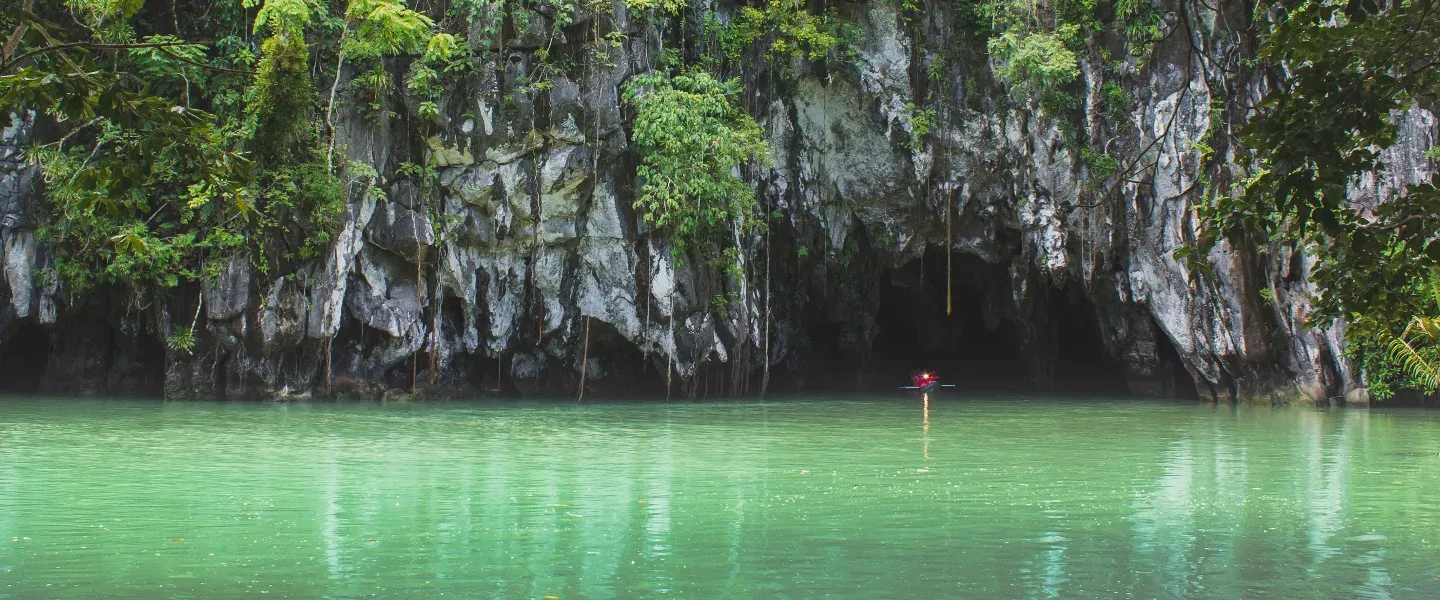
What brings people here is still the Underground River and the chain of island and reef trips scattered across Honda Bay. The reality is less castaway fantasy and more organized logistics, with registration desks, departure schedules and plenty of company along the way. Yet the Underground River earns its reputation once the boat disappears into darkness and the noise shifts from outboard engines to dripping limestone and the flutter of bats overhead. The experience feels older than the tourism machine wrapped around it. That part survives.
Compared with El Nido or Coron, Puerto Princesa operates at a different rhythm. The roads are wider, the shops more practical, and the evenings revolve around local barbecue stalls, seafood restaurants and families gathering in public spaces rather than travelers comparing boat tours. You are less likely to spend the night discussing lagoons and more likely to find yourself eating grilled squid beside people finishing work for the day. The city feels grounded in a way many tourism-heavy destinations no longer do.
Travelers chasing boutique beach clubs, dramatic limestone scenery outside their hotel window or a packed social scene usually lose patience here. The rewards are quieter and easier to miss. Puerto Princesa works best for people who enjoy understanding how a place functions beyond its attractions, who do not mind mixing market visits with day tours, and who can appreciate a city that never seems interested in performing for visitors. Stay longer and it starts to make sense.
Worth The Wait?
The Underground River sells itself as a wilderness encounter, but most of your day is spent doing something else. You leave early, sit through registration checks, wait for boat assignments at Sabang, then join a line of visitors all moving through the same process. By the time you reach the cave entrance, the trip can feel less like an expedition and more like an airport boarding gate with better scenery. People expecting isolation often come away disappointed because the logistics are impossible to ignore.
Then the boat crosses the threshold into darkness and the calculation changes. The chatter fades, the limestone ceiling rises overhead, and the scale of the cave starts doing the work the marketing promised. The river itself is genuinely impressive, but only if you accept that the line is part of the attraction rather than an obstacle to it. Travelers who prefer freedom and spontaneity often have a better time around El Nido or Coron, where the day feels less controlled.
Where to Stay in Puerto Princesa
- Nature, rural, retreat
Irawan
Irawan is beyond the urban edge where the city gives way to forested hills and rural roads. It appeals to travelers looking for a retreat-style stay rather than a base for restaurants and nightlife. Distances are longer and transport becomes more important. The payoff is space and a noticeably different atmosphere from central Puerto Princesa.
Good for: Nature-focused stays, quiet retreats, slower travel.
Skip if: You want city conveniences within easy reach.
- Space, families, residential
Santa Monica
Santa Monica is on the northern side of the city where roads open up and properties tend to be larger. It gives easier access to places such as Mitra Ranch and Baker's Hill while staying outside the busiest commercial districts. Restaurants and services are more spread out than in the center. A vehicle or regular tricycle rides help.
Good for: Families, larger properties, quieter surroundings.
Skip if: You want to walk between restaurants, shops and tours.
- Transport, markets, local life
San Jose
San Jose makes sense if Puerto Princesa is a stopover before somewhere else in Palawan. The main transport terminal for routes north is nearby, and the public market draws more locals than tourists. Accommodation here is practical rather than scenic. Staying here is about logistics, not atmosphere.
Good for: Onward travel, local markets, practical stopovers.
Skip if: You want nightlife, waterfront views or a tourist-focused area.
- Transport, dining, tours
Rizal Avenue / City Center
Rizal Avenue / City Center is where most visitors end up, whether they planned to or not. Restaurants, tour offices, pharmacies and convenience stores cluster along the main roads, and the airport is only a short ride away. Traffic, tricycles and daily city noise are part of the deal. It works because everything is close enough.
Good for: Short stays, tour departures, easy airport access.
Skip if: You want beaches, quiet evenings and little traffic.
- Local life, Honda Bay, residential
San Pedro
San Pedro is north of the tourist core and feels more like a working neighborhood than a visitor district. Local eateries, markets and everyday city life replace the concentration of tour desks found around Rizal Avenue. Honda Bay departures are easier to reach from here than from some southern districts. Nights are noticeably calmer.
Good for: Longer stays, local food, quieter evenings.
Skip if: You want restaurants and tourist services outside your door.
- Resorts, airport, waterfront
Bancao-Bancao
Bancao-Bancao spreads south of the city center near the airport and several of Puerto Princesa's larger resorts. Most visitors stay here for resort facilities rather than the surrounding neighborhood. Walking between restaurants and attractions is less practical because everything is more spread out. Expect to rely on short rides for most outings.
Good for: Resort stays, airport convenience, slower schedules.
Skip if: You want a compact area you can explore on foot.
- Underground River, nature, beach
Sabang
Sabang is a separate destination in its own right rather than a suburb of Puerto Princesa. Most people stay here to visit the Underground River without making a long day trip from the city. The beach, mangroves and surrounding forest matter more than restaurants or nightlife. Once evening arrives, things become very quiet.
Good for: Underground River visits, nature, quiet beach stays.
Skip if: You need city services, shopping and varied dining options.
Frequently Asked Questions
Planning & moving around
-
How many days should you spend in Puerto Princesa?
Most travelers spend one to three nights here. That is enough for the Underground River, Honda Bay and a little time around the city. Longer stays only make sense if you plan extra diving, island trips or side trips around central Palawan.
-
What are the best day trips from Puerto Princesa?
The Underground River is the main attraction and the reason many people visit. Honda Bay island hopping is the other popular choice, focusing on swimming, snorkeling and beach stops. Both are organized tours rather than independent adventures.
-
Do you need a license to rent a scooter in Puerto Princesa?
Yes. You need a valid motorcycle license and should carry your original license and any required international permit. Police checkpoints are common and rental shops rarely provide meaningful insurance.
-
What's the best way to get around Puerto Princesa?
Tricycles handle most short trips around the city. Grab is available in many parts of Puerto Princesa and is useful when you want a quoted fare. For the Underground River, Honda Bay and longer journeys, organized tours and private vans are more practical.
-
What ride-hailing apps work in Puerto Princesa?
Grab is the main ride-hailing app used by visitors. Coverage is strongest around the city center and airport area. Availability becomes less reliable once you move into more rural parts of Palawan.
-
What's the most common mistake first-time visitors make in Puerto Princesa?
Treating Puerto Princesa as a beach destination is the mistake that catches people out. The city works best as a base for organized trips rather than somewhere with great beaches outside your hotel. Plan around tours and day trips rather than expecting a resort-town atmosphere.
-
What do most tourists get wrong about Puerto Princesa?
Many visitors expect the limestone scenery associated with the rest of Palawan. The reality is a working provincial city that serves as a gateway to nearby attractions. You come here for access and logistics more than for the city itself.
Safety & medical
-
Is Puerto Princesa safe at night?
Puerto Princesa is one of the safer cities in the Philippines for visitors. Rizal Avenue, Baywalk and the main commercial areas stay active into the evening. The bigger risk is poorly lit roads, traffic and uneven sidewalks rather than serious crime.
-
What health risks should travelers know about in Puerto Princesa?
Dengue is the main health concern for most visitors, especially during wetter periods. Mosquito repellent is worth carrying even for short trips. Tap water is not considered safe to drink, and long days on boats often lead to dehydration and sunburn.
-
Do you need travel insurance for Puerto Princesa?
Yes, particularly if you plan boat trips, snorkeling or diving. Medical facilities are decent for a provincial city but serious cases are often transferred elsewhere. Insurance is most valuable for medical evacuation and trip disruption.
-
Where can you find paediatric care in Puerto Princesa?
Puerto Princesa has paediatricians, clinics and private hospitals capable of handling routine childhood illnesses. ACE Medical Center Palawan and other local hospitals are the usual starting points. Serious specialist cases may require transfer to larger cities.
-
Can you drink the tap water in Puerto Princesa?
No. Most visitors stick to bottled, filtered or purified water. Ice in established restaurants is usually fine, but travelers with sensitive stomachs often use bottled water even for brushing their teeth.
Laws & local norms
-
What are the drug laws in Puerto Princesa?
Philippine drug laws are extremely strict. Possession, use and trafficking carry severe penalties, including long prison sentences. Visitors should treat this as a zero-tolerance issue.
-
Is vaping legal in Puerto Princesa?
Vaping is legal in the Philippines but regulated. Restrictions apply in many public places, government buildings and public transport. Follow posted rules rather than assuming vaping is allowed everywhere.
-
What should you wear when visiting churches?
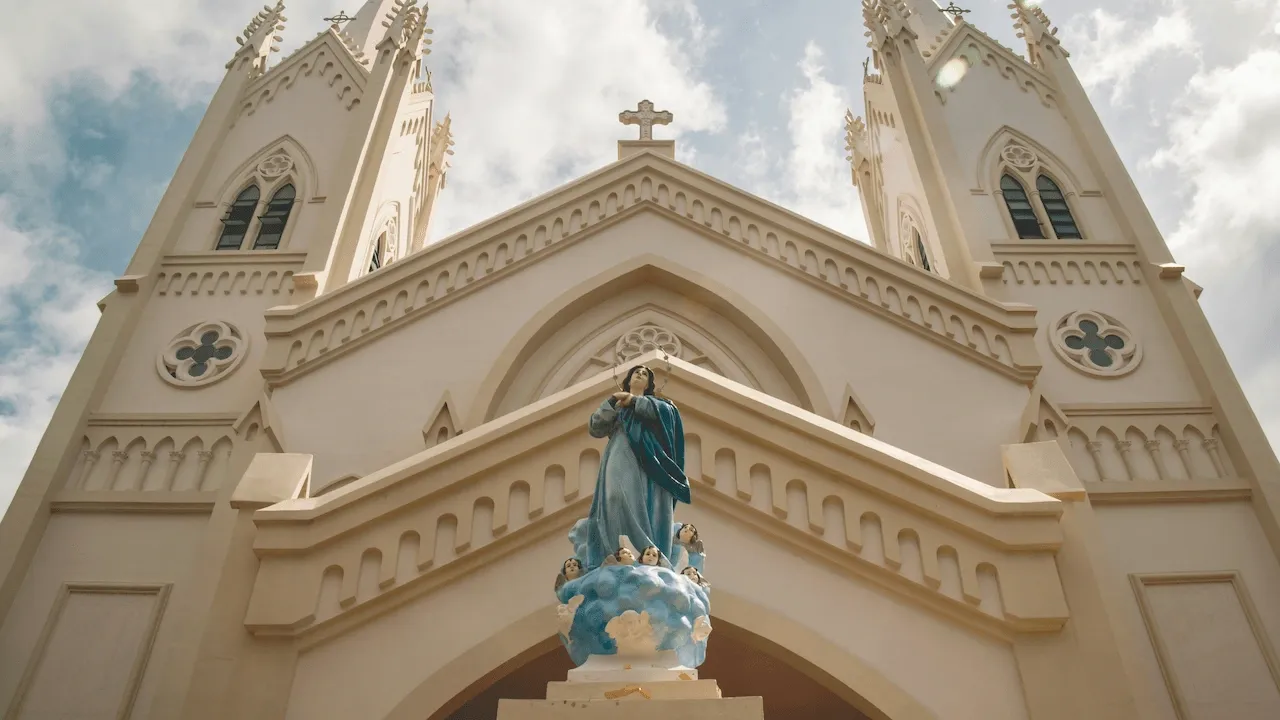
For churches such as Immaculate Conception Cathedral, dress modestly. Shoulders and knees should be covered, especially during services. Beachwear is best kept for beaches and boat trips.
Culture & etiquette
-
How much English is spoken in Puerto Princesa?
English is widely spoken in hotels, restaurants, tour companies and transport services. Most visitors can get by without learning Filipino. Outside tourism businesses, conversations may shift between Filipino and local languages.
Food & drink
-
What local dishes should you try in Puerto Princesa?
Tamilok is the dish most visitors are curious about, although it is not for everyone. Danggit Lamayo, fresh seafood and crocodile sisig also appear on many local menus. Kinabuchs is one of the better-known places to sample regional dishes.
-
Where do locals eat in Puerto Princesa?
Many locals eat at carinderias, seafood restaurants and barbecue spots rather than tourist-focused venues. Areas around Rizal Avenue and the public markets offer a better sense of everyday dining. Kinabuchs remains popular with both residents and visitors.
-
Are vegetarian and vegan options available?
You can eat vegetarian in Puerto Princesa without much trouble, although menus are still heavily centerd on meat and seafood. Tourist-oriented cafes and restaurants are the easiest places to find options. Vegan travelers will need to ask questions rather than assume dishes are plant-based.
Families & kids
-
Is Puerto Princesa good for families with kids?
Yes, especially compared with more logistically demanding parts of Palawan. Short airport transfers, family-friendly resorts and organized tours make things easier. The Underground River and Honda Bay both work well for school-age children.
-
Can you use a stroller easily in Puerto Princesa?
Not particularly. Pavements are inconsistent, tricycles are awkward with larger strollers and many tours involve boats or uneven surfaces. A baby carrier is often the easier choice.
Staying longer
-
Which area is best for a first stay in Puerto Princesa?
Most first-time visitors should stay around Rizal Avenue and the city center. It puts you close to restaurants, tour pickups, the airport and everyday services. Puerto Princesa is spread out, so staying elsewhere often means more time in tricycles.
-
Is Puerto Princesa a good base for digital nomads?
It works better as a short-term base than a digital-nomad destination. Internet is usually reliable in the city center, but the coworking scene is small and most people work from cafes or accommodation. Travelers looking for a stronger remote-work community often prefer Siargao.
After dark
-
What's the nightlife like in Puerto Princesa?
Nightlife is low-key compared with major Philippine destinations. Expect live-music venues, local bars, KTV spots and casual places for drinks rather than big clubs. Most visitors are up early for tours, and the city reflects that.
-
What changes after dark in Puerto Princesa?
The pace slows noticeably once the day-trip crowds disappear. Baywalk and parts of Rizal Avenue remain active, but much of the city settles down relatively early. Tricycles remain available, though options become thinner later at night.