
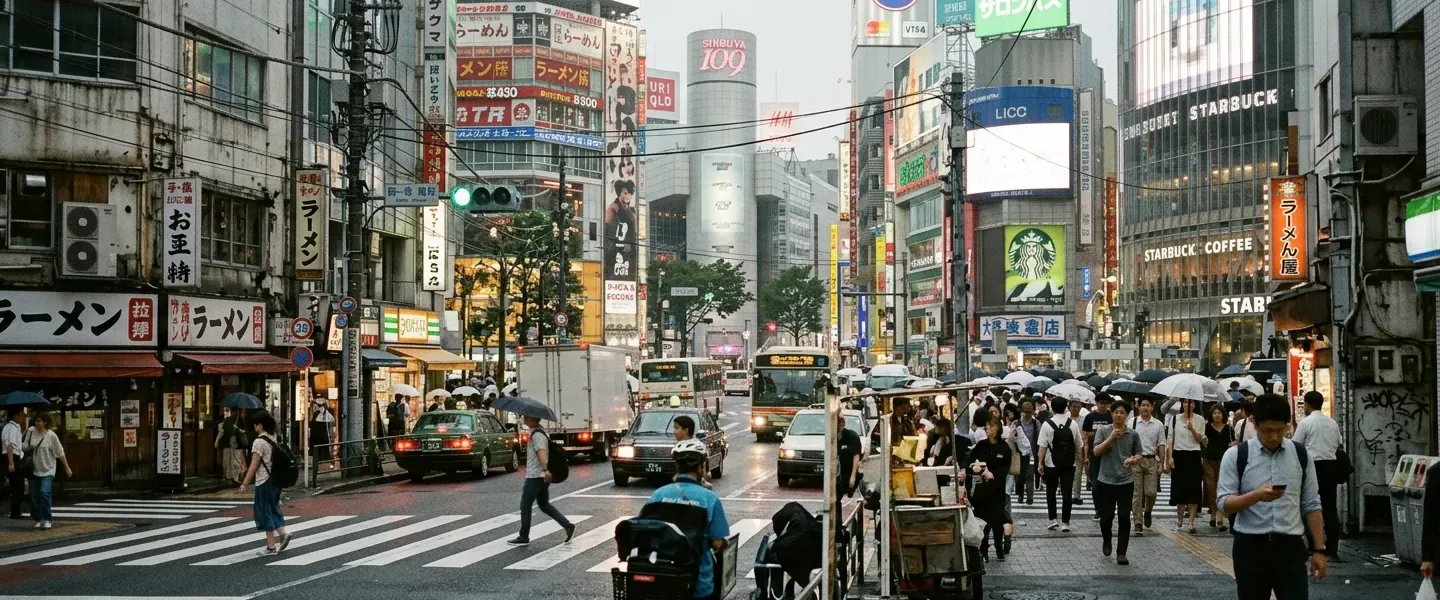
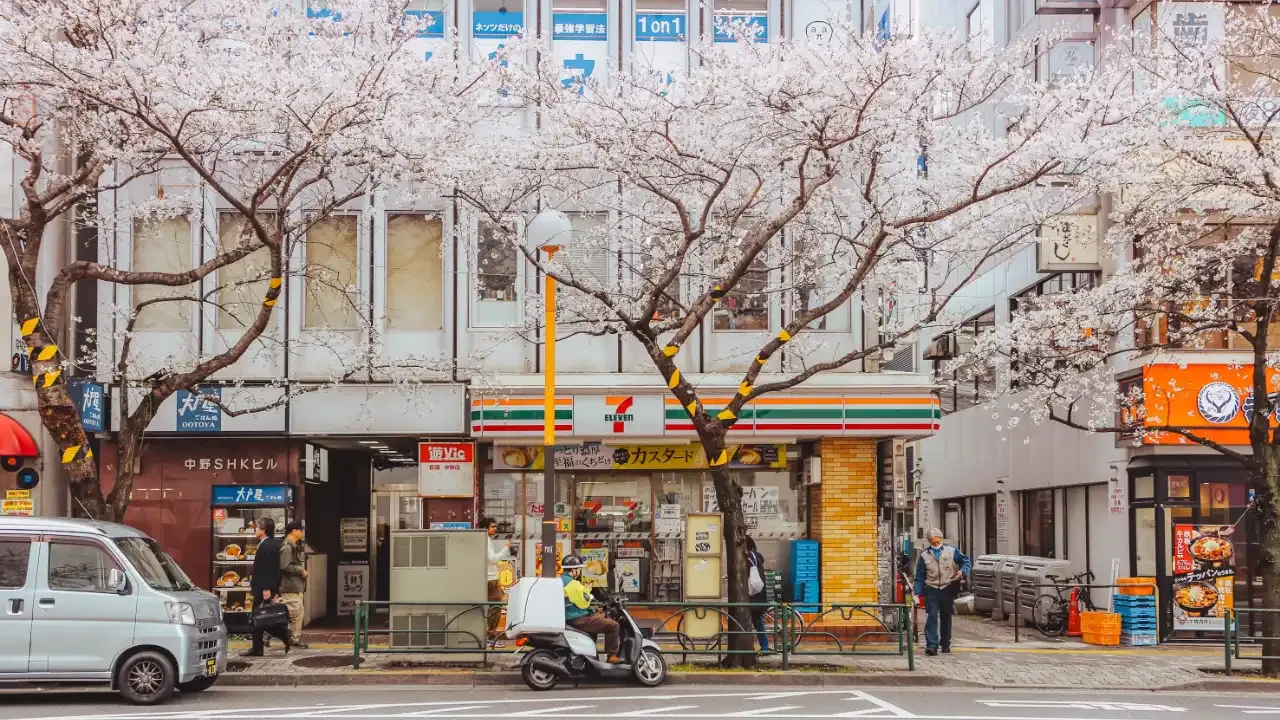
Tokyo Right Now
Heavy rain is affecting eastern Japan, including Tokyo, causing some train service reductions.
The 31st Shibuya Afternoon Concert · Bunkamura Orchard Hall, Shibuya
Respect for the Aged Day
SUPER BEAVER 'Urban Camel DOME TOUR 2026' · Tokyo Dome, Bunkyo
Citizen's Holiday (Silver Week)
Interest in travel to Tokyo rose 11% from a year ago, suggesting demand is growing.
Best time to visit Tokyo
Not the best time to visitTyphoon season
September in Tokyo sees frequent rain, but crowds are noticeably lighter than during peak times. Pack an umbrella and waterproof shoes for your visit.
SCORE BY MONTH
Visit Tokyo in April, May, October, or November for pleasant temperatures and less rain. Avoid June through September when it's hot, humid, and rainy, making sightseeing uncomfortable.
Visitor data: Japan Tourism Agency Accommodation Survey, total guest nights (2024-2025 average)
Day-to-day in Tokyo
Walkability
92/100
Tokyo is one of the easiest major cities in the world to explore on foot if you stay near a train station.
Sidewalks stay wide and continuous across most districts, even around huge stations like Shinjuku and Ueno.
Most neighborhoods pack restaurants, convenience stores, bars, and train access into a few walkable blocks.
Drivers usually stop for crossings, though cyclists on sidewalks create occasional chaos near major stations.
A few months are tough on walkers, but the rest of the year is workable for daily outdoor time.
-
Monthly cost
$2,718 / month
EXPENSIVESolo mid-range stay including rent, daily eating out, groceries, and routine costs.
-
COFFEE CULTURE
Tokyo's coffee scene runs on obsessive detail rather than lifestyle branding. Kiyosumi Shirakawa became the unofficial center after Blue Bottle arrived, but smaller spots in Shimokitazawa, Nakameguro, and Kuramae often feel more interesting than the big names. Many cafes focus almost entirely on hand drip coffee and espresso, with tiny counters, limited seating, and owners who care more about extraction than turnover.
-
Coworking
$215 / month
EXPENSIVETokyo's coworking scene works best if you stay near Shibuya, Shinjuku, or Marunouchi, where fast trains matter more than community events. WeWork, Impact Hub, and Basis Point dominate the mainstream end, with strong internet and quiet workspaces but less of the social nomad culture you get in Bangkok or Bali. Cafes are usable for short sessions, though many still limit laptop seating during busy hours.
-
Gym
$72 / month
EXPENSIVETokyo gyms are clean, serious, and often built around long term memberships rather than casual drop ins. Gold's Gym has the strongest footprint for travelers, especially around Shibuya, Omotesando, and Ginza, while Anytime Fitness covers residential neighborhoods deeper into the city. Public sports centers are the workaround if you only need basic weights and cardio without paperwork.
Need to Know
- Population
- 14,246,219 Statistics Bureau · 2025 Census
- Currency
- Japanese yen (JPY)
- Language
- Japanese; functional English around major stations, hotels, and tourist districts, far less elsewhere.
- Tap water
- Safe to drink
- Time zone
- JST (UTC+9)
- Power plug
- Type A / B, 100V
- Dialing code
- +81
- Driving side
- Left
- Tipping
- Not expected. Leaving cash on the table often causes confusion rather than gratitude.
- Internet
- Fast and reliable across most of the city, including trains and subway stations. Public Wi Fi exists but signups and time limits are common.
- Emergency
- 110 police, 119 ambulance and fire, 118 coast guard
When not to go
-
Golden Week crushes central Tokyo
29 Apr – 5 MayAvoid Tokyo during Golden Week unless you enjoy waiting in line for basic things. Hotels around Shinjuku, Ueno, and Asakusa sell out weeks ahead, domestic tourists flood major rail lines, and even chain restaurants end up with hour-long waits. Shift the trip earlier in April or go to Hiroshima for a slower pace.
-
Tokyo summer drains walking trips
Late Jun – early SepTokyo in summer turns simple sightseeing into a sweat-soaked grind. Temperatures around 33C (91F) combine with thick humidity, and long afternoons crossing districts like Shibuya or Ueno leave people hiding in convenience stores and department basements for air conditioning. If your ideal trip involves walking all day, wait for October or head north to Hokkaido.
Go here instead:
- Hokkaido Cooler summers and easier full-day outdoor sightseeing.
Upcoming Events & Holidays in Tokyo
Upcoming events, next 30 days
On the horizon
Public holidays & observances, next 12 months
Dates are researched and checked, but events move. Always confirm with the official source before you book anything around them.
Getting To Tokyo
-
Narita International Airport NRT
36-90 min to central Tokyo depending on train or bus.
Narita is much farther from the city than many visitors expect, so arrival time matters more than flight time. The Keisei Skyliner is fastest for Ueno and northeast Tokyo, while the Narita Express works better for Shinjuku, Shibuya, and Tokyo Station. Cheap buses exist, but traffic into the city can get ugly during evening rush hour.
Direct flights from Narita
Serves 113 direct destinations, 93 international and 20 domestic, about 343 flights a day.
International 93- Seoul ICN South Korea
 Air Busan A Air Incheon A Air Seoul
 A APZ
 Asiana Airlines
  EASTAR JET
  Ethiopian Airlines
  Jeju Air
  Jin Air
  Korean Air P Parata Air P Perimeter Aviation
  T'Way Air
  ZIPAIR Tokyo 41/day
 - Hong Kong HKG Hong KongA AHK Air Hong Kong Limited
 ANA
ANA  Cathay Pacific
 H HGB H Homer Air H Hong Kong Airlines
 Hong Kong Express
  JAL
JAL  Jetstar Japan 27/day
 - Taipei TPE TaiwanA Atlas Air Cathay Pacific
 China Airlines
  EVA Air JAL Jetstar Japan
  Peach Aviation
  Scoot
Scoot  Starlux Airlines
  Thai Lion Air
  Tigerair Taiwan 25/day
 - Shanghai PVG China
 Air China ANA
  China Eastern Airlines
 C China Postal Airlines
 China Southern Airlines Jetstar Japan
  Juneyao Airlines
  Spring Airlines Spring Airlines Japan 15/day
- Bangkok BKK Thailand ANA JAL
 Thai Airways International
  Thai Vietjet Air ZIPAIR Tokyo 8/day
 - Busan PUS South Korea Air Busan Jeju Air Jin Air Korean Air 8/day
- Kaohsiung City KHH Taiwan China Airlines EVA Air Jetstar Japan
 Thai AirAsia Tigerair Taiwan
  United Airlines 7/day
 - Los Angeles LAX United States ANA A Atlas Air JAL
 Singapore Airlines United Airlines W Western Global ZIPAIR Tokyo 7/day
 - Manila MNL Philippines ANA
 Cebu Pacific Air JAL Jetstar Japan
  Philippine Airlines 7/day
 - Singapore SIN SingaporeA Air Japan ANA JAL Scoot Singapore Airlines ZIPAIR Tokyo 6/day
- Hanoi HAN Vietnam ANA JAL VietJetAir
 Vietnam Airlines 5/day
 - Kuala Lumpur KUL Malaysia ANA JAL
 Malaysia Airlines
  Malindo Air 5/day
 - San Francisco SFO United States ANA JAL United Airlines ZIPAIR Tokyo 5/day
- Ho Chi Minh City SGN Vietnam ANA JAL VietJetAir Vietnam Airlines 4/day
- Vancouver YVR Canada
 Air Canada ANA JAL ZIPAIR Tokyo 4/day
 - Lapu CEB Philippines Cebu Pacific Air Philippine Airlines United Airlines 4/day
- Honolulu HNL United States ANA JAL ZIPAIR Tokyo 3/day
- Guam GUM Guam JAL United Airlines 3/day
- Houston IAH United States United Airlines ZIPAIR Tokyo 3/day
- Jakarta CGK Indonesia ANA JAL 3/day
- Ulaan Baatar UBN MongoliaA Aero Mongolia M Miat - Mongolian Airlines United Airlines 3/day
- Chicago ORD United States ANA A Atlas Air JAL 1-2/day
- Mexico City MEX MexicoA Aeromexico ANA 1-2/day
- Brisbane BNE Australia Jetstar
 Qantas 1-2/day
 - Cheongju CJJ South Korea
 Aero K Airlines 1-2/day
 - Doha DOH Qatar
 Qatar Airways 1-2/day
 - Seattle SEA United StatesA Alaska Airlines JAL 1-2/day
- Newark EWR United States United Airlines 1-2/day
- Shenzhen SZX ChinaS SF Airlines
 Shenzhen Airlines 1-2/day
 - Istanbul IST Türkiye
 Turkish Airlines 1-2/day
 - Melbourne MEL Australia JAL Qantas 1-2/day
- Beijing PEK China ANA
 Hainan Airlines JAL Spring Airlines Japan 1-2/day
 - Dalian DLC China ANA China Southern Airlines 1-2/day
- Fuzhou FOC China
 Cambodia Angkor Air
  Xiamen Airlines 1-2/day
 - Da Nang DAD Vietnam Vietnam Airlines 1-2/day
- Harbin HRB China China Southern Airlines Spring Airlines Japan 1-2/day
- Bangkok DMK Thailand Thai AirAsia X 1-2/day
- Anchorage ANC United StatesA Atlas Air W Western Global~1/day
- Warsaw WAW PolandL LOT - Polish Airlines~1/day
- Abu Dhabi AUH United Arab Emirates
 Etihad Airways ~1/day
 - Amsterdam AMS Netherlands
 KLM ~1/day
 - Auckland AKL New ZealandA Air New Zealand~1/day
- Boston BOS United States JAL ~1/day
- Cairns CNS Australia Jetstar ~1/day
- Calgary YYC CanadaW WestJet~1/day
- Daegu TAE South Korea T'Way Air ~1/day
- Dallas DFW United States
 American Airlines ~1/day
 - Bali DPS Indonesia
 Garuda Indonesia ~1/day
 - Denver DEN United States United Airlines ~1/day
- Dubai DXB United Arab Emirates
 Emirates ~1/day
 - Frankfurt FRA Germany JAL ~1/day
- Helsinki HEL FinlandF Finnair~1/day
- Montreal YUL Canada Air Canada ~1/day
- Mumbai BOM India ANA ~1/day
- New Delhi DEL India JAL ~1/day
- Toronto YYZ Canada Air Canada ~1/day
- Vienna VIE AustriaA Austrian~1/day
- Tianjin TSN China Spring Airlines Japan ~1/day
- Xiamen XMN China Xiamen Airlines ~1/day
- San Jose SJC United States ZIPAIR Tokyo ~1/day
- Hangzhou HGH China Air China ANA ~1/day
- Zurich ZRH SwitzerlandS SWISS~1/day
- Chengdu TFU ChinaS Sichuan Airlines~1/day
- Guangzhou CAN China ANA China Southern Airlines ~1/day
- Angeles City CRK Philippines Cebu Pacific Air 5/week
- Bandar Seri Begawan BWN BruneiR Royal Brunei Airlines5/week
- Colombo CMB Sri LankaS SriLankan Airlines5/week
- Jeju City CJU South Korea Korean Air 5/week
- Tel Aviv Yafo TLV IsraelE El Al5/week
- Shenyang SHE China China Southern Airlines 5/week
- Yantai YNT ChinaC China Central Airlines5/week
- Madrid MAD Spain
 Iberia 4/week
 - San Diego SAN United States JAL 4/week
- Taichung City RMQ Taiwan Starlux Airlines 4/week
- Taipa MFM Macau
 Air Macau 4/week
 - Chongqing CKG China Air China 4/week
- Bangalore BLR India JAL 3/week
- Brussels BRU Belgium ANA 3/week
- Kathmandu KTM NepalN Nepal Airlines3/week
- Perth PER Australia ANA 3/week
- Changchun CGQ China China Southern Airlines 3/week
- Nantong NTG ChinaS Sichuan Airlines3/week
- Ningbo NGB ChinaC China Central Longhao3/week
- Qingdao TAO China ANA 3/week
- Weihai WEH China
 Shandong Airlines 3/week
 - Koror ROR Palau United Airlines 2/week
- Cairo CAI EgyptE EgyptAir2/week
- Jebel Ali DWC United Arab Emirates Emirates 2/week
- Nadi NAN FijiF Fiji Airways2/week
- Jinan TNA ChinaC China Postal Airlines2/week
- Baku GYD AzerbaijanS Silk Way West1/week
- Tashkent TAS UzbekistanU Uzbekistan Airways1/week
- Haikou HAK China Hainan Airlines 1/week
Within Japan 20
- Sapporo CTS ANA Jetstar Japan Peach Aviation Spring Airlines Japan 21/day
- Fukuoka FUK Jetstar Japan Peach Aviation 15/day
- Naha OKA Jetstar Japan Peach Aviation Spring Airlines Japan 8/day
- Osaka KIX Jetstar Japan Peach Aviation 6/day
- Tokoname NGO ANA JAL 3/day
- Matsuyama MYJ Jetstar Japan 3/day
- Ishigaki ISG Peach Aviation 1-2/day
- Kumamoto KMJ Jetstar Japan 1-2/day
- Osaka ITM ANA JAL 1-2/day
- Takamatsu TAK Jetstar Japan 1-2/day
- Kitakyūshū KKJ Spring Airlines Japan 1-2/day
- Asahikawa AKJ Jetstar Japan ~1/day
- Kagoshima KOJ Jetstar Japan ~1/day
- Miyazaki KMI Jetstar Japan ~1/day
- Nagasaki NGS Jetstar Japan ~1/day
- Nankoku KCZ Jetstar Japan ~1/day
- Ōita OIT Jetstar Japan ~1/day
- Amami ASJ Peach Aviation ~1/day
- Hakodate HKD Spring Airlines Japan 4/week
- Hiroshima HIJ Spring Airlines Japan 2/week
Nonstop routes only. Flights per day are an average, each way. Data: AeroDataBox, updated July 2026.
Visa rules apply at the country level. See the full Japan visa guide, with every visa and its official do-it-yourself cost. -
-
Haneda Airport HND
15-40 min into most central Tokyo districts.
Haneda is dramatically easier than Narita for most travelers because it is much closer to the city. The Keikyu Line works best for Shinagawa and southern Tokyo, while the Tokyo Monorail connects quickly into the JR network at Hamamatsucho. Taxis are manageable late at night after the trains stop, unlike Narita where fares become painful fast.
Direct flights from Haneda
Serves 108 direct destinations, 60 international and 48 domestic, about 737 flights a day.
International 60- Seoul GMP South Korea ANA Asiana Airlines JAL Korean Air 14/day
- Los Angeles LAX United States American Airlines ANA D Delta Air Lines JAL United Airlines 10/day
- Beijing PEK China Air China ANA JAL 9/day
- Hong Kong HKG Hong Kong ANA Cathay Pacific Hong Kong Express JAL V VistaJet 9/day
- Taipei City TSA Taiwan ANA China Airlines EVA Air JAL 9/day
- Singapore SIN Singapore ANA JAL Scoot Singapore Airlines 9/day
- Bangkok BKK Thailand ANA JAL Thai Airways International 8/day
- Honolulu HNL United StatesA Alaska Airlines ANA D Delta Air Lines JAL 7/day
- London LHR United Kingdom ANA B British Airways JAL 6/day
- New York JFK United States American Airlines ANA JAL 6/day
- Sydney SYD Australia ANA JAL Qantas 6/day
- Paris CDG FranceA Air France ANA JAL 5/day
- Guangzhou CAN China ANA China Southern Airlines JAL 5/day
- Shanghai PVG China China Eastern Airlines Juneyao Airlines Peach Aviation Spring Airlines 4/day
- Manila MNL Philippines ANA JAL Philippine Airlines 4/day
- Chicago ORD United States ANA JAL United Airlines 3/day
- Frankfurt FRA Germany ANA
 Lufthansa 3/day
 - Jakarta CGK Indonesia ANA Garuda Indonesia 3/day
- New Delhi DEL India
 Air India ANA JAL 3/day
 - San Francisco SFO United States ANA JAL United Airlines 3/day
- Seoul ICN South Korea Asiana Airlines Korean Air Peach Aviation 3/day
- Shanghai SHA China ANA JAL S Shanghai Airlines 3/day
- Ho Chi Minh City SGN Vietnam ANA JAL VietJetAir 3/day
- Dallas DFW United States American Airlines JAL 3/day
- Kuala Lumpur KUL Malaysia AirAsia X ANA 1-2/day
- Munich MUC Germany ANA Lufthansa 1-2/day
- Seattle SEA United States ANA D Delta Air Lines 1-2/day
- Taipei TPE Taiwan Peach Aviation Tigerair Taiwan 1-2/day
- Washington IAD United States ANA United Airlines 1-2/day
- Helsinki HEL FinlandF Finnair JAL 1-2/day
- Beijing PKX China China Eastern Airlines China Southern Airlines 1-2/day
- Istanbul IST Türkiye ANA Turkish Airlines 1-2/day
- Atlanta ATL United StatesD Delta Air Lines~1/day
- Dalian DLC China JAL ~1/day
- Detroit DTW United StatesD Delta Air Lines~1/day
- Dubai DXB United Arab Emirates Emirates ~1/day
- Hanoi HAN Vietnam Vietnam Airlines ~1/day
- Houston IAH United States ANA ~1/day
- Minneapolis MSP United StatesD Delta Air Lines~1/day
- Qingdao TAO China ANA ~1/day
- Rome FCO ItalyI ITA Airways~1/day
- Shenzhen SZX China ANA ~1/day
- Toronto YYZ Canada Air Canada ~1/day
- Vancouver YVR Canada ANA ~1/day
- Copenhagen CPH Denmark
 SAS ~1/day
 - Guam GUM Guam United Airlines ~1/day
- Newark EWR United States United Airlines ~1/day
- Mumbai BOM India Air India 4/week
- Stockholm ARN Sweden ANA 4/week
- Milan MXP Italy ANA 3/week
- Vienna VIE Austria ANA 3/week
- Tianjin TSN ChinaT Tianjin Airlines2/week
- Xiamen XMN China ANA 2/week
- Geneva GVA SwitzerlandV VistaJet1/week
- Hamilton YHM CanadaH HTT1/week
- Oshkosh OSH United States JAL 1/week
- Saint Louis SUS United StatesR RDN1/week
- Seattle BFI United StatesH Hop-A-Jet Worldwide Jet Charter1/week
- Vero Beach VRB United States JAL 1/week
- Weihai WEH China ANA 1/week
Within Japan 48
- Sapporo CTS
 Air Do ANA JAL
  Skymark Airlines Spring Airlines Japan 66/day
 - Fukuoka FUK ANA JAL Skymark Airlines
S StarFlyer
64/day - Naha OKA ANA JAL Skymark Airlines
S Solaseed Air
41/day - Osaka ITM ANA JAL 34/day
- Kagoshima KOJ ANA JAL Skymark Airlines
S Solaseed Air
25/day - Kumamoto KMJ ANA JAL S Solaseed Air 21/day
- Miyazaki KMI ANA JAL S Solaseed Air 19/day
- Hiroshima HIJ ANA JAL 17/day
- Nagasaki NGS ANA JAL S Solaseed Air 17/day
- Kitakyūshū KKJ ANA JAL Spring Airlines Japan
S StarFlyer
16/day - Ōita OIT ANA JAL S Solaseed Air 16/day
- Takamatsu TAK ANA JAL 15/day
- Matsuyama MYJ ANA JAL 14/day
- Nankoku KCZ ANA JAL 11/day
- Okayama City OKJ ANA JAL 11/day
- Ube UBJ ANA JAL S StarFlyer 11/day
- Akita AXT ANA JAL 10/day
- Hakodate HKD Air Do ANA JAL 10/day
- Tokushima TKS ANA JAL 10/day
- Kanazawa KMQ ANA JAL 9/day
- Kobe UKB ANA Skymark Airlines 9/day
- Asahikawa AKJ Air Do ANA JAL 8/day
- Obihiro OBO Air Do ANA JAL 8/day
- Aomori AOJ JAL 7/day
- Kushiro KUH Air Do ANA JAL 7/day
- Yonago YGJ ANA 7/day
- Izumo IZO JAL 6/day
- Ōzora MMB Air Do ANA JAL 6/day
- Saga HSG ANA 6/day
- Tottori TTJ ANA 6/day
- Ishigaki ISG ANA JAL 5/day
- Misawa MSJ JAL 5/day
- Shonai SYO ANA 5/day
- Hachijojima HAC ANA 3/day
- Miyako City MMY ANA JAL 3/day
- Ōdate ONJ ANA 3/day
- Shirahama SHM JAL 3/day
- Tokoname NGO ANA JAL 3/day
- Toyama TOY ANA 3/day
- Osaka KIX ANA Wings S StarFlyer 3/day
- Masuda IWJ ANA 1-2/day
- Wajima NTQ ANA 1-2/day
- Wakkanai WKJ ANA 1-2/day
- Yamagata GAJ JAL 1-2/day
- Amami ASJ JAL ~1/day
- Monbetsu MBE ANA ~1/day
- Nakashibetsu SHB ANA ~1/day
- Shimojishima SHI Skymark Airlines ~1/day
Nonstop routes only. Flights per day are an average, each way. Data: AeroDataBox, updated July 2026.
-
-
Shinkansen From Tokyo Station
Fast rail links across Japan, Osaka in about 2.5h.
Tokyo Station is the country's main shinkansen hub and easier to navigate than Shinjuku once you understand the platform zones. The Tokaido Shinkansen handles Osaka, Kyoto, and Nagoya, while northern routes leave from the east side platforms. Holiday periods like Golden Week and New Year sell out fast, especially oversized luggage seats.
-
Overnight Buses Across Japan
Cheap overnight routes to Osaka, Kyoto, Nagoya and Sendai.
Night buses cost far less than the shinkansen and save a hotel night, though sleep quality varies wildly. Most depart from Shinjuku Bus Terminal, known locally as Busta Shinjuku. Women-only rows and higher-end sleeper seats exist on some routes and are worth paying for on longer journeys.
Safety Advice
Tokyo is considered one of the safest cities globally, with very low crime rates. However, petty theft can occur in crowded tourist areas, so remain aware of your surroundings. Natural disasters like earthquakes are a concern, but the city is well-prepared for them.
Seismically active region
Earthquakes
Tokyo sits in a seismically active region. Most days you'll never notice it, but strong earthquakes do occur from time to time. It's worth knowing your accommodation's emergency exits and following local instructions if an earthquake occurs.
See the 5 strongest nearby earthquakes
- M7.92011 · 139 km · Ōarai
- M6.92008 · 168 km · Hasaki
- M6.32011 · 177 km · Iwaki
- M6.22011 · 194 km · Arai
- M6.22009 · 171 km · Sagara
Source: U.S. Geological Survey · Updated August 2026
Common Scams in Tokyo
-
Hostess Bar Hidden Charges
HIGH RISKTrigger:A tout promises cheap drinks near Kabukicho or Roppongi
Once inside, the bill suddenly includes seating fees, hostess charges, overpriced drinks, or fake bottle orders that can reach tens of thousands of yen. Refusing to pay sometimes leads to intimidation or being blocked from leaving.
How to avoid: Ignore street touts completely, especially around Kabukicho and Roppongi after dark. Stick to bars with visible menus, online reviews, and no street recruiters outside.
-
Spiked Roppongi Drinks
HIGH RISKTrigger:Your drink tastes odd or hits unusually fast
Some bars in Roppongi target foreign tourists with spiked drinks that leave victims disoriented while cards are charged repeatedly. People often wake up with massive transactions and little memory of the night.
How to avoid: Do not leave drinks unattended and avoid bars pushed aggressively by touts. Use a credit card with instant transaction alerts or pay cash in nightlife districts.
-
Unlicensed Airport Taxis
MEDIUM RISKTrigger:A driver approaches you inside the arrivals hall
Unlicensed drivers around Narita and Haneda quote inflated flat rates and sometimes claim trains are finished for the night when they are not. Vehicles without commercial registration are also uninsured for passenger transport.
How to avoid: Use the official taxi ranks, airport buses, or train lines instead. Licensed taxis in Japan use green-number commercial plates, not standard white private plates.
-
Fake Monk Donation Requests
LOW RISKTrigger:Someone in monk clothing offers a charm or bracelet
The person pressures tourists into handing over cash donations near temples, stations, and busy pedestrian areas. Real monks in Japan do not approach tourists demanding money like this.
How to avoid: Refuse politely and keep walking without accepting anything. Donate directly at temples if you want to contribute.
Mistakes to Avoid
-
Missing The Last Train
SERIOUS CONSEQUENCETokyo's rail network mostly stops around midnight, and late-night taxis across the city are expensive enough to wreck a budget fast. People regularly end up paying JPY10000 to JPY20000 ($70 to $140) after a missed connection.
Fix: Check your final train before drinking or changing districts at night. If you plan to stay out late, book accommodation near your nightlife area.
-
Littering
MINOR CONSEQUENCEPublic trash bins are scarce, especially outside convenience stores and stations, so travelers often end up carrying rubbish all day. Dropping trash can still draw fines depending on the ward.
Fix: Carry a small bag for wrappers and bottles until you find a bin or return to your hotel. Convenience stores sometimes have sorting bins near the entrance.
-
Ignoring Public Drinking Rules
MINOR CONSEQUENCEPublic drinking is legal in most of Tokyo, but parts of Shibuya restrict street drinking during busy nightlife periods and large events. Police usually move people along first, but repeated problems can still lead to fines.
Fix: Drink inside bars, restaurants, or designated areas around major nightlife zones. Follow temporary event restrictions around Shibuya Station and Halloween periods.
-
Loud Public Conversations
Talking loudly on trains or taking calls in packed carriages stands out immediately in Tokyo. Locals usually stay quiet during commutes, especially during rush hour.
Fix: Keep conversations short and use messaging instead of calls on trains. Set your phone to silent mode before boarding.
-
Tipping For Service
Leaving tips in restaurants, taxis, or hotels creates awkward confusion more than gratitude. Staff sometimes chase tourists down to return the money.
Fix: Pay the listed price and thank staff directly instead. Exceptional service is already built into the bill.
-
Eating While Walking
Walking through crowded streets while eating or vaping annoys people faster in Tokyo than in many other major cities. Some districts also ban smoking outside designated areas.
Fix: Eat near the shop where you bought the food or stop at a side street. Use marked smoking zones for cigarettes and vapes.
Money & Payments
Carry some yen for smaller shops and temples, use cards elsewhere, and always pay in yen not your home currency.
-
Cash Still Matters
Tokyo takes cards far more than the rest of Japan, but cash still matters in older ramen shops, small bars, temple areas, ticket machines, and local restaurants. Carry a mix of ¥1000, ¥5000, and ¥10000 notes plus ¥100 and ¥500 coins for lockers, vending machines, and laundry machines.
-
Cards Work Most Places
Visa and Mastercard work almost everywhere tourists regularly go, including department stores, hotels, chain restaurants, and convenience stores. Contactless payments are common on Tokyo Metro, Toei Subway, and in places like 7-Eleven, though smaller family-run businesses still sometimes refuse foreign cards.
-
Use Convenience Store ATMs
7-Eleven and Japan Post Bank ATMs remain the safest bet for foreign cards, especially outside major shopping districts. Most support English menus and international networks like Cirrus and Plus. Many local bank ATMs still reject overseas cards late at night or entirely.
-
Always Pay In Yen
If a payment terminal offers your home currency instead of Japanese yen, refuse it. Dynamic currency conversion uses bad exchange rates designed to extract extra money from tourists, especially in hotels and airport areas.
-
Suica Beats Cash
Mobile Suica and Pasmo are more useful in Tokyo than most tourists realize. They work on trains, buses, convenience stores, vending machines, lockers, and many chain cafes, which means fewer coins and fewer card problems.
-
Recharge Transit Cards
Physical Suica and Pasmo cards still require cash top-ups at many station machines. Tourists expecting every recharge to work by card get caught out quickly.
-
Departure Tax Included
Japan charges an international departure tax on flights leaving the country. It is normally bundled into your airline ticket already, so you will not pay separately at Narita or Haneda.
-
International Transfers
To send money to a bank account in Japan, for things like rent or day-to-day expenses, services like Wise or Remitly usually offer better rates than traditional banks and faster delivery.
You'll typically need the recipient's full name, account number, and SWIFT/BIC code. Some banks may also require a local address.
Costs in Tokyo
Tokyo is a city where rent is a significant expense, with a one-bedroom apartment in the city center averaging around ¥172,672 per month. While a Big Mac is relatively affordable at ¥3.15, the influx of foreign investment and a weak yen have driven up property prices and rents in prime locations.
Save money?
Sign up for our guide on how to save money on your next trip.
SIM Cards & Data
Best option for most travelers: an eSIM you set up before you arrive. You'll be online the moment you land, with no airport line and no tourist pricing.
Travel eSIMs Connect the second you land. Zero hassle. Skip the airport line and paperwork. Activate before you fly and land connected. Find the best eSIM →Prefer a local SIM?
Tokyo's major tourist areas, including central districts like Shinjuku and Shibuya, and even popular spots further afield, generally have excellent 4G coverage with expanding 5G availability. Speeds are consistently reliable for essential travel needs like maps, ride-hail apps, messaging, and even video streaming.
What Tokyo is Like
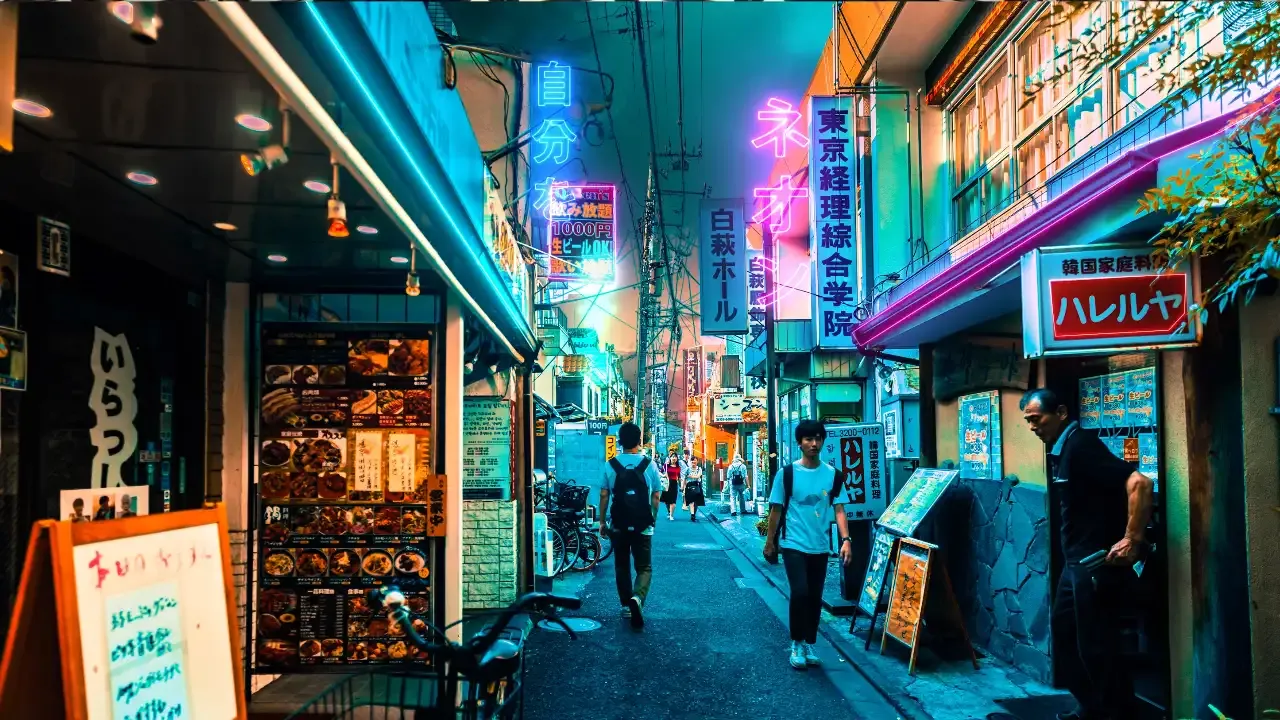
Tokyo stops being impressive once you get over the neon and realize the real achievement is that thirty million people somehow manage not to scream at each other all day. Morning trains pull into Shinjuku packed tight enough to fog the windows, yet most passengers stand in silence staring at their phones or sleeping upright. Convenience stores run like surgical theaters. Tiny bars under train tracks serve six people at a time without anyone rushing you out. The city is less chaotic than first-time visitors expect and far more structured. That structure is the whole point.
Walk ten minutes in almost any direction and Tokyo changes personality completely. Shimokitazawa smells like coffee grinders and old denim shops, Ginza feels like office workers pretending department stores are museums, and Asakusa still has old men smoking outside tiny noodle counters while tourists line up for temple photos nearby. Most visitors make the mistake of treating the city like one giant entertainment district connected by trains. It works better when you narrow your focus and let one neighborhood take over your day properly. Tokyo punishes checklist travel.
Food here is not about luxury unless you force it to be. Some of the best meals happen in places where the chef barely speaks, the menu lives on a vending machine, and somebody's jacket is hanging three inches from your bowl of ramen. Tourists often obsess over famous sushi counters and reservation drama while ignoring the quieter skill everywhere else: basement curry shops in Kanda, yakitori smoke drifting through Omoide Yokocho, office workers lining up outside standing soba joints for lunch. Tokyo respects specialisation almost to the point of absurdity. One shop will spend its entire existence perfecting fried pork cutlets.
Nightlife in Tokyo is far less wild than the internet wants people to believe. Most residents miss the last train on purpose maybe once or twice a year, not every weekend, and entire business districts empty out after midnight with surprising speed. The exceptions stand out harder because the city around them stays controlled. Kabukicho pushes drunken chaos onto narrow streets full of touts and giant screens, while Golden Gai survives as a maze of bars small enough that strangers end up speaking simply because there is nowhere else to look. Tokyo after dark works best when you stop chasing the cinematic version of it.
People who need constant spontaneity or social warmth can bounce off Tokyo hard. The city does not perform hospitality in the same way Bangkok or Osaka does, and daily interactions often stay polite, efficient, and emotionally distant. Restaurants still turn people away quietly over language barriers or booking systems they do not understand. Long walks through residential neighborhoods can feel repetitive if you are expecting every street to look like Akihabara. Yet that restraint is exactly why many travelers end up returning. Tokyo grows slowly, then all at once.
Tokyo Disneyland
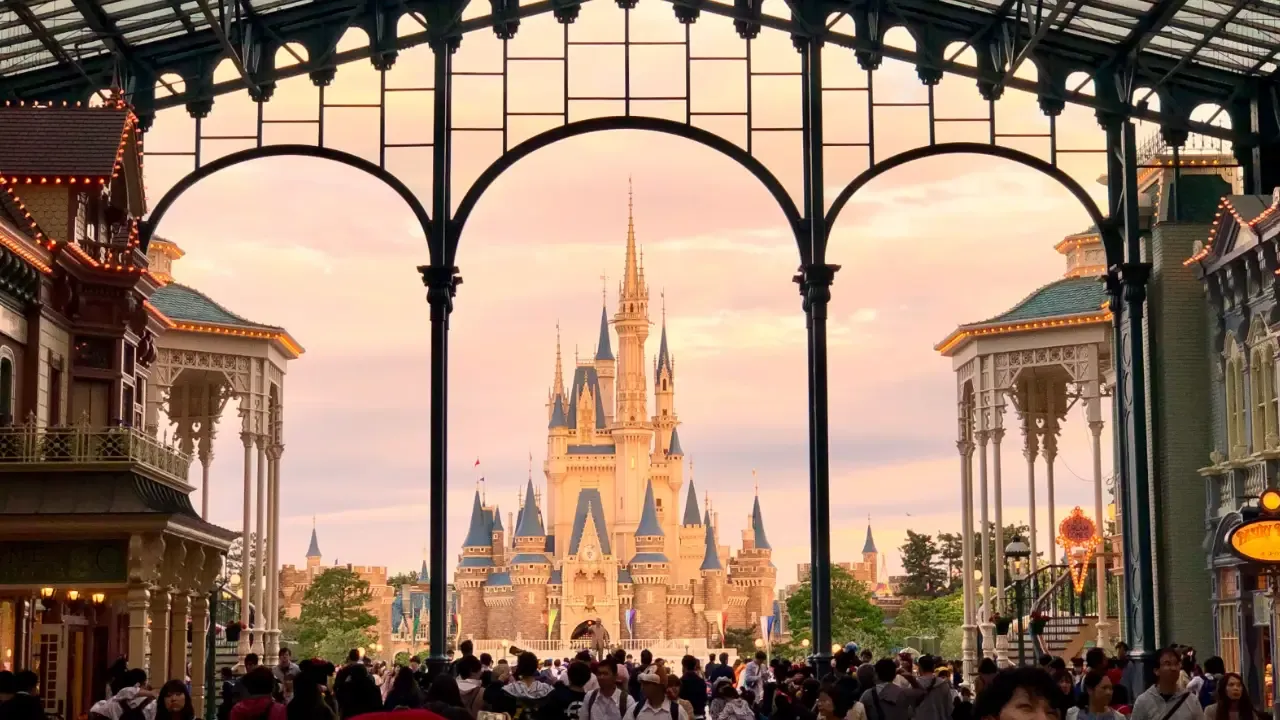
Tokyo Disney is less a theme park day and more a lesson in organized obsession. By 8am, families are already sitting on picnic mats outside Maihama Station with matching headbands, portable stools, and military-grade plans for ride priority systems. People do not casually wander into Tokyo Disney and figure it out later. The park punishes anyone who turns up unprepared, and you spend half the day staring at wait times while locals glide past with timed entries already stacked on their phones. If your idea of fun is spontaneous wandering, this place can feel exhausting fast. If you enjoy systems, optimisation, and hyper-polite chaos, it becomes weirdly addictive.
The smartest move is choosing between Disneyland and DisneySea instead of trying to force both into one rushed day. DisneySea is the stronger park for most adults, especially first-time visitors without children. Themed areas like Mysterious Island and the waterfront around Mediterranean Harbor feel unusually detailed even by Disney standards, while Disneyland leans harder into nostalgia and parade culture. Weekends are rough, school holidays are worse, and rainy weekdays often end up being the sweet spot despite the weather. A cloudy Tuesday with light drizzle usually beats a sunny Saturday where every major ride is above two hours before lunch.
Getting there is easy enough that people underestimate the energy drain. From central Tokyo, the train ride to Maihama looks short on paper, but adding rope-drop timing, endless walking, standing in line, and the return commute turns the day into a full physical workout. The park also quietly destroys the fantasy that Japan is always calm and restrained. Inside the gates, people sprint for ride reservations, flood popcorn stands with hour-long lines, and photograph every seasonal snack from five angles before eating it. The discipline is still there, just redirected into Disney efficiency.
Premier Access passes change the day completely and are one of the few upgrades in Tokyo that genuinely feel worth paying for. Without them, you end up making brutal choices between waiting ninety minutes for one attraction or sacrificing half the park to stay flexible. The mistake is trying to maximise everything. Tokyo Disney works better when you commit to a slower strategy, pick a handful of rides, and spend the gaps people-watching instead of chasing every ride. The parks are at their best after dark anyway, when the crowds thin slightly, the music softens, and exhausted families start disappearing back toward the station.
Where to Stay in Tokyo
- Nightlife, rail access, skyscrapers
Shinjuku
Shinjuku runs on rail lines, flashing signs, and people trying to catch the last train home. West Shinjuku is broad roads, office towers, and large hotels, while the east side folds into Kabukicho alleys, yakitori smoke, standing bars, and ramen counters open deep into the night. The station remains disorienting even after several days, but the connections make the rest of Tokyo easier once you learn your exits. Sleep close to the station if you expect late nights.
Good for: Nightlife, first Tokyo visits, rail access across the city.
Skip if: You want calm streets, light traffic, or early nights.
- Nightlife, shopping, youth culture
Shibuya
Shibuya feels louder and more performative than most of Tokyo, especially around Center Gai and the scramble crossing after dark. Giant screens, chain bars, clubs, and fashion stores swallow entire blocks, but the mood shifts quickly once you walk uphill toward Oku-Shibuya or the quieter streets behind Cat Street. Hotels here work best if you plan to stay out late rather than retreat early. The station redesign helped, but navigation still gets messy underground.
Good for: Late nights, shopping, live music, younger travelers.
Skip if: You hate crowds, flashing advertisements, or noise outside your hotel.
- Nightlife, art, expat scene
Roppongi
Roppongi pulls in embassy staff, expats, wealthy locals, and tourists looking for late nights without language barriers. The district swings between polished art spaces like Mori Art Museum and aggressively commercial nightlife filled with touts trying to drag people upstairs into bad bars. Some visitors love the energy, others bounce after one night.
Good for: Late nights, international dining, art museums, expat-heavy bars.
Skip if: You want traditional streets or peaceful evenings near your hotel.
- Luxury, shopping, quieter evenings
Ginza
Ginza trades Tokyo chaos for polished department stores, basement food halls, and quiet side streets lined with discreet cocktail bars. The area feels cleaner and slower once the office workers disappear at night, especially away from the main shopping avenues. Hotels here are comfortable but the district can feel emotionally flat if you want street energy or spontaneous nights out. Many of the better counters take reservations only, and some will not seat a walk-in at all.
Good for: High-end dining, shopping, polished hotels, calmer evenings.
Skip if: You want cheap eats, scruffy bars, or messy street life.
- Transport, business, day trips
Tokyo Station Area
Tokyo Station Area is built around movement rather than neighborhood personality. Shinkansen platforms, airport buses, underground malls, and office towers all collide here, which makes arrival days and regional day trips extremely easy. Marunouchi goes strangely quiet after office hours, while Yaesu stays more practical with chain restaurants and shopping floors.
Good for: Day trips, business travel, short stays, airport transfers.
Skip if: You want independent cafes, nightlife, or a neighborhood feel.
- Anime, gaming, electronics
Akihabara
Akihabara leans completely into niche obsession, from retro game arcades to multi-floor trading card shops and themed cafes with lines before lunch. The district feels less like old electronics Tokyo now and more like a concentrated fandom zone aimed at collectors and dedicated hobbyists. Staying here only makes sense if you genuinely plan to spend time in that world; most visitors are satisfied after a long afternoon.
Good for: Anime culture, gaming, electronics shopping, niche subcultures.
Skip if: You want greenery, quieter streets, or varied nightlife.
- Museums, park, local atmosphere
Ueno
Ueno feels more grounded and less self-conscious than Tokyo's glossy western districts. The park pulls together museums, families, office workers eating lunch under trees, and heavy cherry blossom crowds in spring, while Ameyoko below the tracks stays noisy, rough around the edges, and packed with cheap market stalls. Parts near the station look worn down in a good way. Transport links are excellent without the sensory overload of Shinjuku.
Good for: Museums, families, rail access, more local daily life.
Skip if: You want polished nightlife districts or luxury shopping streets.
- Temples, old Tokyo, slower pace
Asakusa
Asakusa still holds onto parts of low-rise Tokyo that disappeared elsewhere long ago. Senso-ji is peaceful early in the morning, then turns into a slow tourist conveyor belt once the kimono rentals and snack lines appear around Nakamise. The streets west of the temple are quieter and much better for actually staying in. Nights wind down early here, so plan late meals around Ueno or a train ride west.
Good for: Traditional streets, temple visits, slower pacing, river walks.
Skip if: You want club nights, luxury shopping, or fast-moving city energy.
Frequently Asked Questions
Planning & moving around
-
How many days do you need in Tokyo?
Four to six days is the sweet spot. Less than that turns the city into a checklist of stations and observation decks. A week gives you time to drift through places like Koenji, Kiyosumi Shirakawa, or Nakameguro instead of sprinting between tourist stops. Tokyo gets better once you stop treating it like a speedrun.
-
What are the best day trips from Tokyo?
Kamakura is the easiest win because the temples, hiking trails, and coast all fit into one day without spending half the trip on trains. Nikko feels more dramatic and forested, especially around the shrine complex. Hakone works if you want ryokan baths and mountain views, though the transport loops get crowded fast on weekends. Kawaguchiko is mostly about Mount Fuji views rather than the town itself.
-
Is public transport better than renting a scooter in Tokyo?
Tokyo's rail network is one of the few systems where owning a vehicle actively makes life harder. Parking is expensive, traffic is dense, and roads stack over each other in ways that confuse even locals. Trains run everywhere you actually want to go and Google Maps handles transfers surprisingly well. Renting a scooter here makes far less sense than in Bangkok or Bali.
-
What travel apps should I download for Tokyo?
Google Maps does most of the heavy lifting, especially for train platforms, exits, and transfer timing. Google Translate helps once you leave tourist-heavy areas. Suica or Pasmo mobile apps matter more than most travel apps because they turn your phone into a train ticket, convenience store wallet, and vending machine card.
-
Can foreigners get Japan's digital nomad visa?
Yes, but the requirements are stricter than many people expect. Applicants need high income thresholds, private health insurance, and remote work tied to companies outside Japan. The visa lasts up to six months and does not convert into long-term residency. Tokyo works well for remote work once you are legally there, but the visa itself is not casual.
-
Do Tokyo trains stop running at night?
Yes. Most trains stop around midnight and restart around 5am. Visitors underestimate this constantly and end up paying painful taxi fares after missing the last train. Late nights in Shibuya or Shinjuku work better if you stay nearby.
-
Should I use luggage forwarding in Tokyo?
Yes if you are moving between hotels or traveling with oversized suitcases. Tokyo stations get exhausting once you add stairs, crowds, and rush hour into the mix. Yamato Transport and hotel front desks handle luggage forwarding smoothly. Many locals use it instead of dragging bags through the subway.
Safety & medical
-
Is Tokyo safe to walk alone at night?
Yes, far safer than most major cities this size. Women regularly ride trains late at night alone and convenience stores stay open everywhere. The main problems for visitors are scam bars and aggressive touts in Kabukicho or parts of Roppongi, not street violence. Ignore anyone trying to pull you upstairs into a bar.
-
What should I do if I get sick in Tokyo?
Pharmacies handle basic issues well and staff in central areas often know enough English to help. Large international hospitals in Minato and Shinjuku are easier for foreign visitors than smaller clinics. Bring your passport and insurance details. Without insurance, medical costs climb fast.
-
Do I need travel insurance for Japan?
Yes. Tokyo is safe, but hospital treatment is not cheap and English-speaking clinics are limited. Insurance also matters because weather disruptions and train cancellations can snowball into expensive rebooking costs. People skip insurance because Japan feels orderly. That logic falls apart once something actually goes wrong.
-
Can you drink tap water in Tokyo?
Yes. Tokyo tap water is safe and heavily regulated. Many locals drink it directly from the tap without filters. Convenience stores still sell endless bottled water because people buy drinks constantly while commuting.
Laws & local norms
-
What are Japan's drug laws for foreigners?
Japan treats drug possession harshly, including marijuana. People arrive assuming legal weed back home changes anything here and end up arrested. Even small amounts can mean detention, deportation, and a ruined trip. Prescription medication rules are strict too, especially for stimulants and ADHD medication.
-
What etiquette rules matter most in Tokyo?
Keep your voice down on trains, wait your turn in line, and do not block narrow sidewalks with luggage or group photos. People rarely eat while walking outside festival areas. Shoes come off more often than visitors expect, including some restaurants and fitting rooms. Tokyo runs on quiet cooperation more than visible rules.
-
Are there vaping and smoking restrictions in Tokyo?
Yes. Smoking while walking is banned in many districts and people actually follow the rules. You smoke inside marked outdoor areas or dedicated smoking rooms, not wherever you feel like it. Vaping falls into the same social category and blowing clouds on the street gets dirty looks fast.
-
Is it rude to photograph people in Tokyo?
Street photography happens constantly in Tokyo, but pointing a camera directly into someone's face still crosses a line. Many restaurants, temples, themed cafes, and small bars ban photos entirely. Staff usually tell you clearly if cameras are not welcome. Respect the sign and move on.
-
What should I wear at Tokyo temples and shrines?
You do not need formal clothing, but beachwear and nightclub outfits look disrespectful. Quiet behavior matters more than fashion. At major places like Meiji Jingu or Sensoji, visitors often treat the grounds like a photo backdrop and forget people still come there to pray. Follow the crowd and keep the volume down.
Money & costs
-
Is Tokyo mostly cash or card based?
Cards work in department stores, chain restaurants, hotels, and most train stations, but cash still matters more than many visitors expect. Small ramen shops, older izakayas, temple stalls, and ticket machines still reject foreign cards regularly. Carry yen at all times. Suica and Pasmo on your phone solve a lot of small daily payments.
-
Is tipping customary in Tokyo restaurants?
No. Leaving cash on the table often creates confusion because staff assume you forgot your change. Good service is already built into the culture, especially in restaurants and hotels. The rare exception is private guides working with foreign clients.
-
Is Tokyo expensive for tourists?
Tokyo can be expensive if you chase luxury hotels, omakase sushi, and taxis everywhere, but daily life is often cheaper than people expect. Cheap ramen, convenience store meals, and reliable public transport keep costs manageable. The real money drain is accommodation, especially during cherry blossom season and autumn weekends.
-
Can foreigners use Suica or Pasmo on iPhone?
Usually yes, especially on iPhone with Apple Wallet. Android support depends heavily on the phone model and country version. Mobile Suica or Pasmo makes Tokyo far easier because you can tap into trains, convenience stores, lockers, and vending machines without handling cash constantly.
Culture & etiquette
-
Is Tokyo LGBTQ plus friendly for travelers?
Tokyo is one of the easier places in Asia for LGBTQ plus travelers to move through comfortably, especially around Shinjuku Ni chome. Public attitudes stay fairly reserved, so you see less open affection than in cities like Berlin or Madrid. Harassment is uncommon. The bigger issue is social conservatism rather than personal safety.
-
What is dating like in Tokyo for foreigners?
Tokyo has huge social circles, but language and social expectations shape dating more than visitors expect. Apps are common, especially in international areas like Shibuya and Roppongi. Foreigners arriving with anime stereotypes usually crash into reality quickly. The city feels socially reserved at first, especially outside nightlife settings.
Food & drink
-
Where do locals eat in Tokyo?
Office workers pack into tiny lunch counters around Shinbashi, Kanda, and Akabane rather than the restaurants filling TikTok lists. Omoide Yokocho and Golden Gai look famous online but many locals treat them as nostalgia zones or places for one late drink. Some of the best meals happen in anonymous basement restaurants with plastic food models outside. Judge places by the line of salarymen, not the decor.
-
What dishes should I actually try in Tokyo?
Edomae sushi and monjayaki are the most Tokyo-specific choices. Ramen matters too, but the city has thousands of styles and half the fun is wandering into random counters near stations. Yakitori in places like Yurakucho or Omoide Yokocho works better as a late-night drinking meal than a formal dinner. Convenience store food is also far better than most visitors expect.
-
Is Tokyo good for vegetarians or vegans?
Better than it used to be, but still frustrating outside tourist-heavy areas. Broth, fish stock, and hidden meat ingredients appear in dishes that look vegetarian at first glance. Areas like Shimokitazawa and Shibuya have strong vegan cafe scenes. Translation cards help a lot in smaller restaurants.
Families & kids
-
What are the best things to do in Tokyo with kids?
Tokyo DisneySea is the standout because it works surprisingly well for adults too. Ueno Zoo, teamLab Planets, railway museums, and arcades in Odaiba work well on rainy days. Parks like Yoyogi and Shinjuku Gyoen give children actual space to move around after long train rides. Avoid trying to cram too many districts into one day with young kids.
-
Is Tokyo stroller friendly for families?
Better than most Asian megacities, but not effortless. Major stations have lifts, yet many older exits still involve stairs and long underground walks. Rush hour trains with a stroller are miserable. A compact stroller works far better than oversized travel systems.
Staying longer
-
Which Tokyo neighborhood should I stay in first time?
Shinjuku and Shibuya work best for most first visits because the train access is ridiculous and you can still eat late after missing the last train home. Shinjuku feels rougher around Kabukicho but gives you more range, from business hotels to tiny bars and ramen counters. Shibuya skews younger and louder, especially near Center Gai. Asakusa suits people who want quieter nights and easier hotel prices.
After dark
-
What are Tokyo's main nightlife areas?
Shinjuku covers everything from grimy standing bars to host clubs and late-night ramen counters. Shibuya leans younger, louder, and more club-focused around Center Gai and Dogenzaka. Roppongi attracts more tourists and expats, along with the city's worst bar touts. Koenji and Shimokitazawa suit people who prefer live music and smaller bars over giant clubs.
-
Does Tokyo have a red light district?
Yes. Kabukicho in Shinjuku is the most famous, though it works more like an entertainment district packed with host clubs, love hotels, bars, and adult businesses than a single red light street. Most visitors pass through without problems, but tout scams targeting foreigners are common. Never follow strangers into upstairs bars promising cheap drinks or free entry.